Victoria’s energy landscape is evolving quickly, and one of the most significant shifts homeowners are making is moving away from gas heating toward efficient electric alternatives. This change is driven not by a single factor but by a combination of technology improvements, environmental goals, cost pressures, and changing policy settings. As gas prices climb and Victorian households become more energy conscious, electric heating is emerging as the future of comfortable, affordable winter warmth.
Gas heating once dominated Australian homes because it offered quick warmth and seemed affordable in the short term. However, gas systems rely on burning fossil fuels, which emit greenhouse gases and contribute to climate change. In contrast, electric systems such as reverse-cycle air conditioning and heat pumps work by transferring heat rather than generating it through combustion. This fundamental difference means electric heating systems are inherently more efficient and, when powered by renewable energy such as rooftop solar, produce far fewer emissions over their lifetime.
Efficiency and Performance
Modern electric heating systems have advanced significantly. Reverse-cycle systems can both cool and heat a home, making them a flexible solution for Victoria’s variable climate. Heat pump technology, in particular, delivers warmth by extracting heat from the outside air even when temperatures are cool. This approach uses electricity in a very efficient way compared to gas, which must generate heat directly through combustion. Many Victorian homeowners now find that electric systems provide a more consistent and evenly distributed warmth throughout their homes, improving overall comfort during winter months.
Electric systems are also quieter and offer more precise temperature control than many gas heaters. Whereas older gas units can create uneven heating and require ongoing maintenance, modern electric units operate with minimal noise and can be integrated into smart home systems for automated temperature management. This improved level of control contributes to lower energy usage and greater comfort without the peaks and troughs of temperature that gas systems sometimes produce.
Cost and Long-Term Savings
Another reason electric heating is becoming the future in Victoria is the evolving cost equation. While gas systems historically had lower upfront costs, their running costs have risen as gas prices have become more volatile. Electricity costs, on the other hand, can be managed more effectively through efficient systems, smart controls, and integration with solar power. Many households that install reverse-cycle electric heating paired with solar PV systems see a significant reduction in their overall energy costs, because much of the electricity used for heating comes from self-generated solar energy rather than purchasing energy from the grid.
Additionally, government incentives and rebates make electric systems more affordable to install than ever before. Victorian programs designed to support energy upgrades often include rebates for high-efficiency electric appliances, reducing upfront costs and improving the financial return on investment. When these incentives are combined with long-term operational savings, the transition to electric heating becomes not only environmentally sensible but financially attractive.
Environmental Benefits
Victoria has made clear commitments to reduce greenhouse gas emissions and transition to cleaner energy. Switching from gas heating to electric systems is one of the most effective ways homeowners can reduce their carbon footprint. Gas combustion releases carbon dioxide and other pollutants directly into the living environment, whereas electric systems produce zero on-site emissions and can be powered increasingly by renewable energy sources. As the Victorian electricity grid continues to decarbonise, electric heating systems become cleaner over time without requiring any additional effort from the homeowner.
Installing electric heating also improves indoor air quality. Gas heaters can introduce combustion by-products into living spaces, which some residents find irritating or unhealthy, especially for people with respiratory sensitivities. Electric systems eliminate this concern, providing warmth without the risk of fuel combustion indoors.
Policy and Future Trends
Policy changes both at the state and federal level are reinforcing the shift toward electrification. Victoria’s energy plans recognise the role of electrification in reducing emissions and improving energy efficiency. Incentive programs, building standards, and grid planning increasingly favour electric technologies that can be integrated with renewable generation and storage. This alignment between policy and technology adoption means households that switch now are better positioned for future energy landscapes, avoiding the potential phase-outs or costs associated with continuing gas reliance.
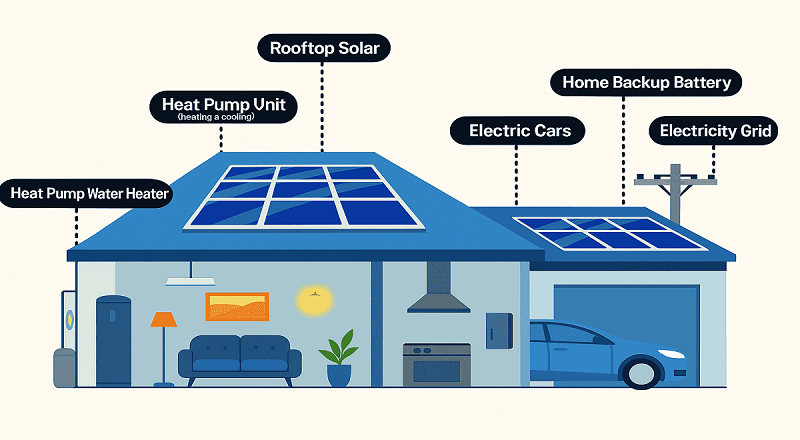
Electric heating solutions are also becoming more modular and scalable. As households add other electric systems such as heat pump hot water, EV chargers, and battery storage, an all-electric home becomes more efficient overall. These systems can work together to reduce peak loads, balance energy use throughout the day and maximise the value of solar energy.
Comfort and Everyday Use
Residents who make the switch often comment not just on the cost and environmental benefits, but on the improved comfort of electric heating. Consistent warmth without cold spots, quieter operation, fewer safety concerns, and the convenience of remote control or smart schedule features all contribute to a better living experience. With fewer moving parts and less maintenance compared to gas heaters, electric systems also reduce the need for frequent service calls or repairs, delivering peace of mind along with comfort.
Final Thoughts
Switching from gas heating to electric is not just a trend — it is a shift rooted in efficiency, comfort, cost savings, and sustainability. For Victorian homes, electric heating delivers a pathway to cleaner energy, better performance, and alignment with future energy policies. As the grid becomes greener and technologies continue to improve, the advantages of electric systems only grow stronger.
For homeowners thinking about their next upgrade, considering electric heating today positions them for a more comfortable, cost-effective, and environmentally responsible future.
Make the Switch with Zero Energy
Zero Energy helps Victorian homeowners move away from gas heating and transition to efficient electric systems designed for long-term comfort and lower energy costs.
Our team specialises in electric heating and cooling, heat pump hot water systems, solar, batteries, and EV chargers, with full support for available Victorian rebates. Every system is tailored to your home, lifestyle, and future energy needs.
If you’re planning to upgrade or replace your gas heating, Zero Energy provides clear advice, quality installation, and reliable after-sales support.
Contact Zero Energy today to start your move toward an all-electric home.