Melbourne’s climate is known for its variability, with cool winters, mild springs, warm summers and frequent changeable conditions. For decades, many households relied on gas heaters to keep warm during winter mornings and evenings. However, a clear shift is underway as more homes are choosing reverse-cycle heating systems over traditional gas heating. This change is being driven by improvements in technology, changes in energy economics, growing environmental awareness and the simple fact that electric systems now offer a smarter and more comfortable way to heat a home.
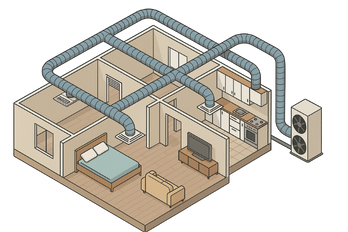
Reverse-cycle systems provide both heating and cooling from a single unit, which makes them especially suited to Melbourne’s diverse weather patterns. Unlike older gas heaters that only warm the air without any cooling functionality, reverse-cycle systems offer year-round climate control. This dual capability eliminates the need to install separate systems for heating and cooling, which simplifies home comfort and reduces the clutter of multiple appliances.
Comfort and Consistent Heating
One of the main reasons Melbourne homes are moving away from gas heating is the improved comfort that reverse-cycle systems provide. Gas heaters tend to heat the air directly in a room, often leading to hot spots near the unit while other parts of the room remain cool. Reverse-cycle heating, on the other hand, distributes air more evenly throughout the space, providing a more consistent temperature overall. Many homeowners find this makes living areas noticeably more comfortable on chilly winter nights, as the system works quietly in the background to maintain the desired temperature.
Efficiency and Running Costs
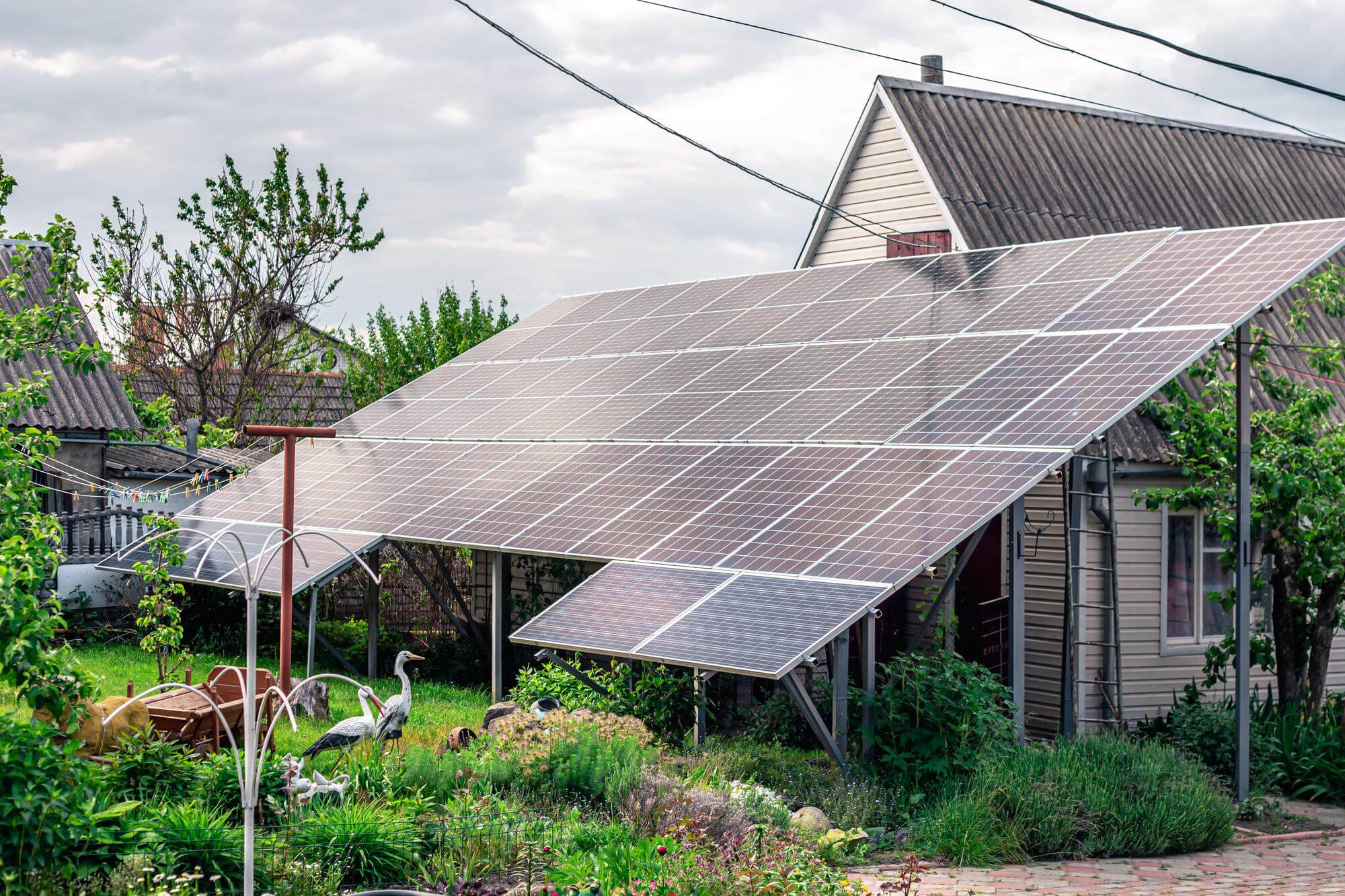
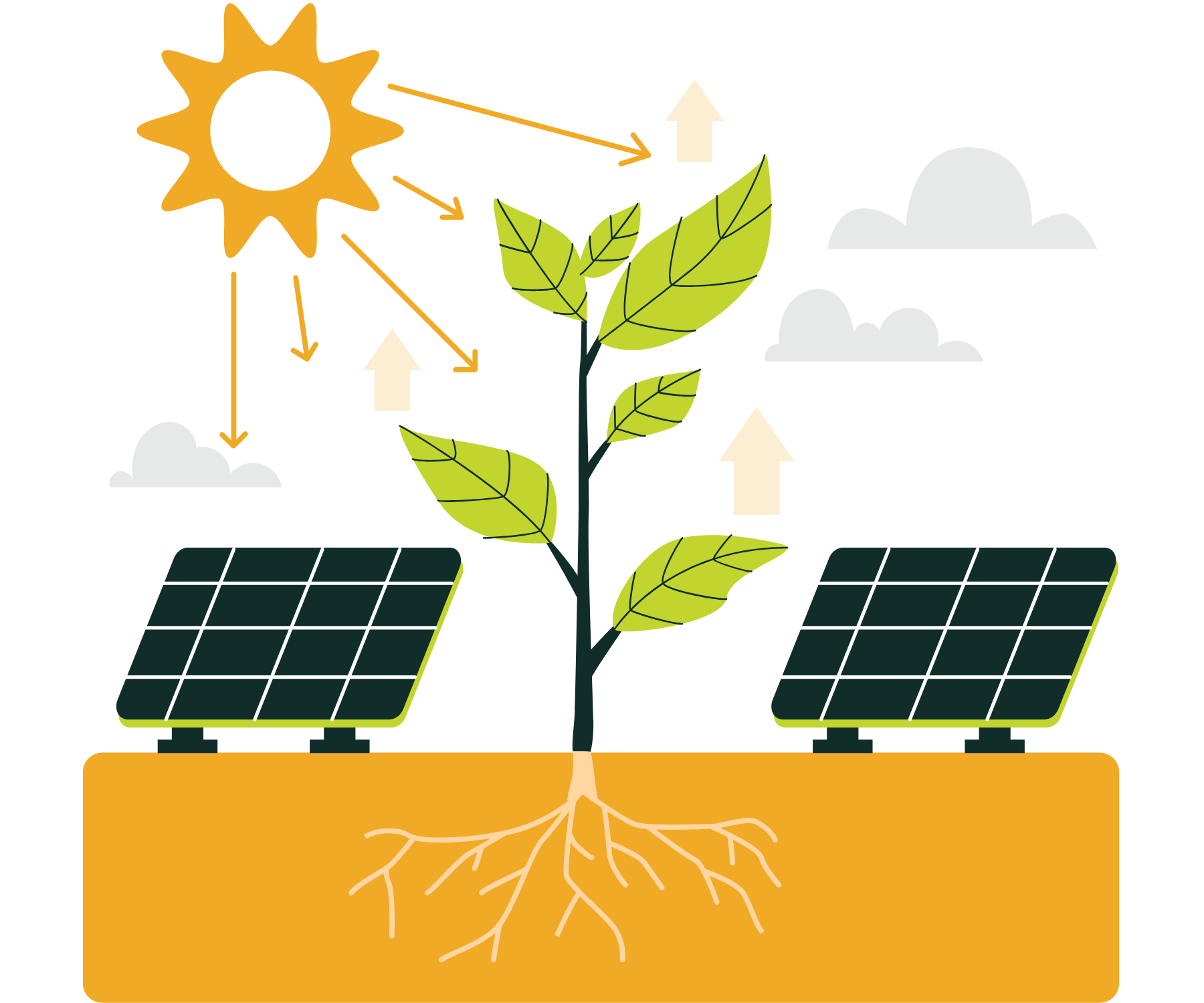
The cost of energy is an important consideration for every household, and in recent years the running costs associated with gas heating have become less attractive. Gas prices have shown volatility in the Australian market, making it harder for households to predict ongoing costs. In contrast, modern reverse-cycle systems use electricity efficiently, especially when paired with a well-insulated home or rooftop solar. Electric heating pulls warmth from the outside air and moves it indoors, requiring less energy than systems that generate heat through combustion. This efficiency leads many homeowners to see reverse-cycle heating as a lower-cost option over time, particularly when the electricity supply includes renewable sources.
Health and Indoor Air Quality
Another factor influencing the switch from gas to reverse-cycle systems is the impact on indoor air quality. Gas heaters burn fuel indoors, which can contribute to increased levels of combustion by-products such as nitrogen dioxide and water vapor inside living spaces. These by-products can aggravate asthma and other respiratory conditions, especially in tightly sealed homes. Reverse-cycle systems avoid combustion entirely, circulating filtered air without introducing combustion gases. For families and individuals concerned about healthy indoor air, this provides a clear advantage.
Environmental Considerations
Concerns about the environment and climate change are playing an ever-more significant role in household decision-making. Gas is a fossil fuel, and its combustion releases carbon dioxide into the atmosphere. In contrast, electricity — particularly when sourced from renewable generation — dramatically reduces emissions associated with home heating. Victoria’s electricity grid is becoming cleaner over time as more solar and wind projects come online, meaning electric heating continues to get greener without any action required by the homeowner. Reverse-cycle systems, therefore, align with broader sustainability goals and are increasingly seen as part of responsible home energy use.
Smart Integration and Future-Proofing
Reverse-cycle systems are also attractive because they integrate smoothly with smart home technologies and energy management tools. Many modern systems offer programmable thermostats, remote control via smartphone apps, and compatibility with energy-saving schedules. Homeowners can optimise heating times around their daily routines, reducing unnecessary energy use and improving convenience. As homes adopt more smart technology, reverse-cycle heating fits naturally into these systems whereas gas heaters typically do not offer similar levels of connectivity or control.
Reduced Maintenance and Longer Lifespan
Maintenance requirements are another point of difference. Gas heaters generally require regular servicing, including ensuring safe ventilation and checking combustion components. Reverse-cycle systems are simpler in comparison, with fewer safety concerns related to fuel combustion and venting. The absence of combustion parts also means less wear and tear, often resulting in a longer useful life with lower ongoing maintenance costs. For families who prefer reliable, low-hassle systems, this reliability is a compelling reason to choose electric over gas.
Final Thoughts
Reverse-cycle systems are replacing gas heating in Melbourne homes for good reason. They provide consistent, whole-house comfort with the added benefit of cooling, deliver lower running costs when combined with efficient electricity or solar systems, support healthy indoor air quality, and align with environmental goals that matter to many households. As technology continues to improve and Melbourne’s energy landscape evolves, electric heating through reverse-cycle systems is becoming an increasingly sensible and sustainable choice for modern living.
Upgrade Your Home with Zero Energy
Zero Energy helps Melbourne homeowners replace gas heating with modern, efficient electric solutions designed for year-round comfort. From reverse-cycle heating and cooling to heat pump hot water systems, solar, batteries, and EV chargers, we deliver practical upgrades that reduce energy costs and improve everyday living.
Our experienced team guides you through system selection, professional installation, and available Victorian rebates, ensuring your transition from gas to electric is smooth and future-ready.
Contact Zero Energy to explore smarter, cleaner home energy solutions.