The move toward all-electric homes is often discussed in terms of energy savings and lower power bills, but the environmental benefits go far deeper than most homeowners realise. In Victoria, where climate targets are tightening and gas is being phased down, electrification is becoming one of the most effective ways households can reduce their environmental footprint without sacrificing comfort or convenience.
Going all-electric is not just a technology upgrade. It is a fundamental shift in how homes interact with energy, the environment, and the future grid.
Eliminating On-Site Emissions Completely
Gas appliances burn fossil fuels inside the home. Even highly efficient gas systems still release carbon dioxide, nitrogen oxides, and other pollutants every time they operate. These emissions accumulate over years and contribute directly to climate change and local air pollution.
All-electric homes remove combustion entirely. Heat pumps, induction cooktops, electric hot water systems, and reverse-cycle air conditioning produce zero on-site emissions. The moment gas is removed, household emissions drop immediately, even before considering renewable energy.
Cleaner Indoor Air and Healthier Living Spaces
One of the least talked-about benefits of electrification is improved indoor air quality. Gas heaters and cooktops release pollutants that linger indoors, particularly in winter when homes are sealed. These pollutants are linked to respiratory irritation, asthma triggers, and long-term health risks.
Electric appliances operate without flames, exhaust gases, or combustion byproducts. Over time, this creates cleaner air inside the home, which is especially important for children, elderly residents, and anyone with existing respiratory conditions.
Unlocking the Full Power of Renewable Energy
Electric homes can run directly on renewable energy. Gas homes cannot.
As Victoria’s electricity grid continues to add wind, solar, and battery storage, electric homes automatically become cleaner every year without any changes required by the homeowner. Gas systems, by contrast, remain fossil-fuel dependent for their entire lifespan.
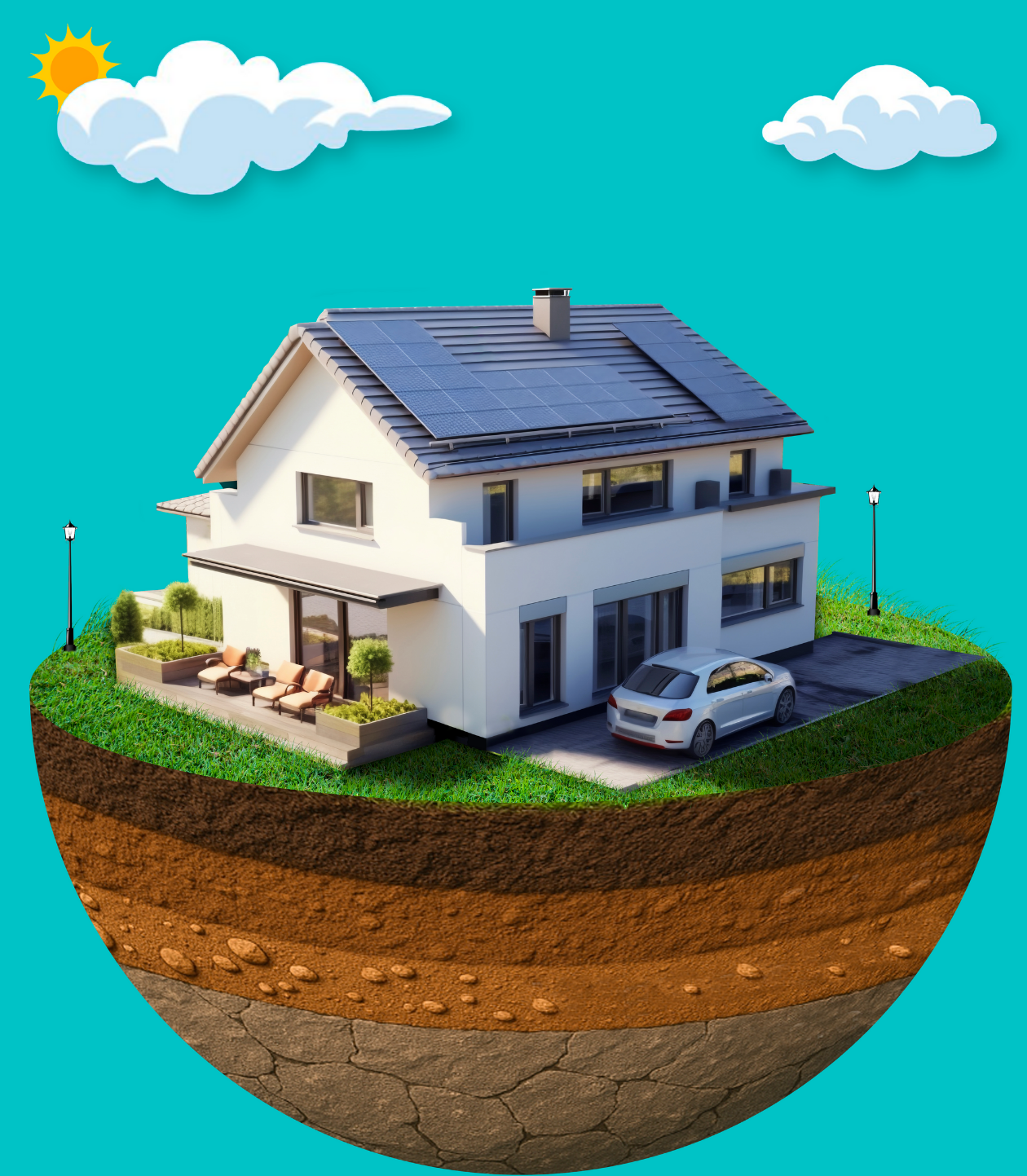
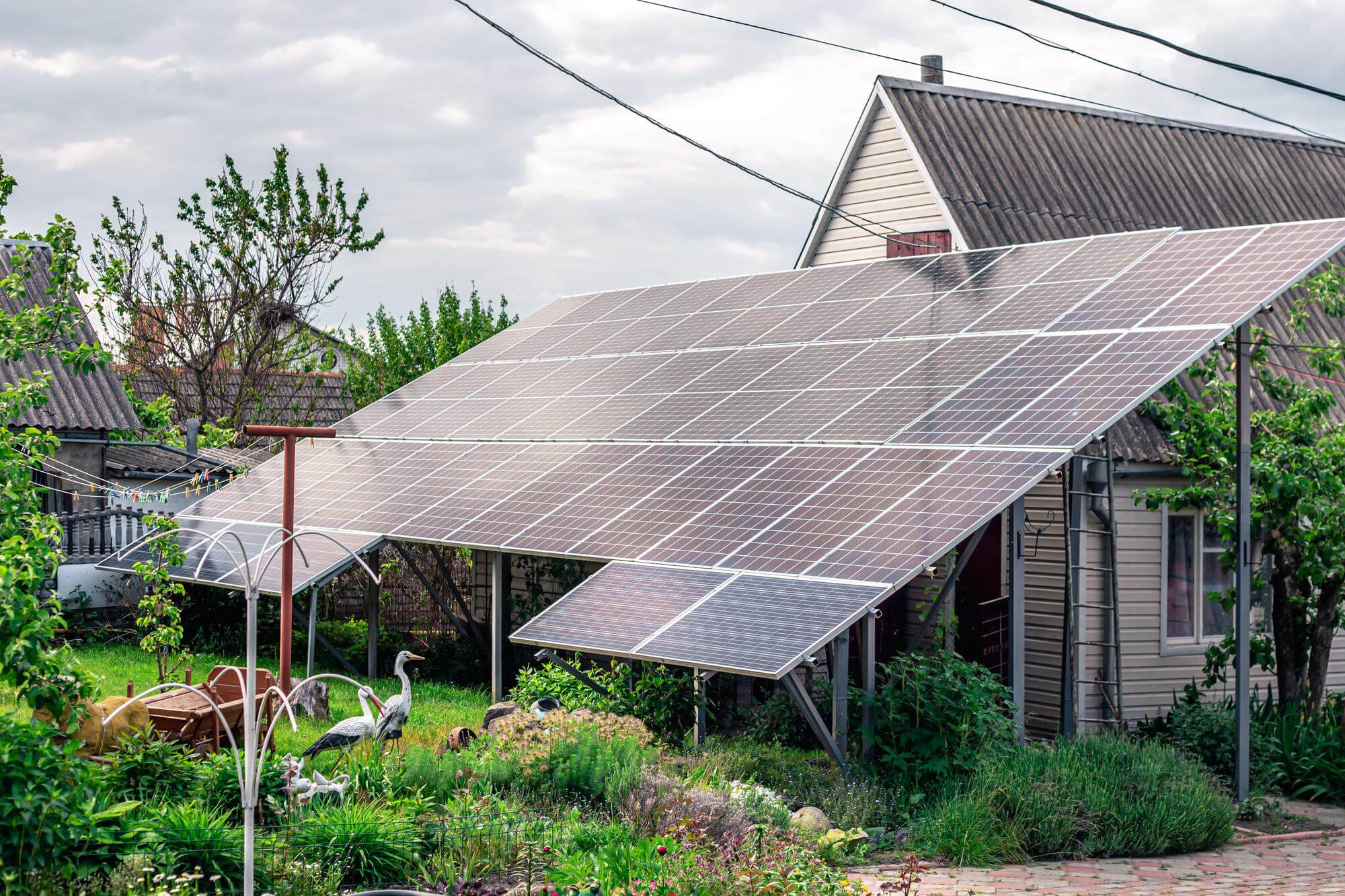
When solar panels are added, electric homes gain another environmental advantage. Hot water, heating, cooling, and vehicle charging can all be powered by sunlight, dramatically reducing reliance on external energy sources.
Reducing Methane Leakage Beyond the Home
Gas systems have environmental impacts that extend far beyond household use. Methane leaks occur throughout gas extraction, processing, and distribution. These leaks are difficult to control and have a powerful short-term warming effect on the climate.
By choosing electric systems, households reduce demand for gas altogether, helping lower methane leakage across the entire supply chain. This indirect impact is one of the most significant but least visible environmental benefits of electrification.
Supporting a Smarter, More Efficient Energy Grid
Electric homes are better suited to modern energy networks. Appliances like heat pumps and batteries can respond to grid conditions, shift energy use to off-peak periods, and support demand management. Gas appliances cannot adapt in this way.
As more homes go electric, the grid becomes more flexible, efficient, and capable of integrating renewable energy. This collective shift reduces the need for new fossil-fuel infrastructure and lowers emissions at a system-wide level.
Lower Resource Use Over the Long Term
Electric systems typically last longer and require fewer materials over their operating life. Heat pumps move energy rather than generate it, making them more efficient and less resource-intensive. Fewer breakdowns, fewer replacements, and lower maintenance needs all contribute to reduced environmental impact over decades of use.
Aligning with Victoria’s Long-Term Climate Direction
Victoria’s energy policy is clearly moving away from gas. Incentives, rebates, and building standards increasingly favour electrification, while gas faces rising costs and declining support. Homes that transition now avoid future retrofits and lock in environmental benefits early.
Going all-electric aligns households with where energy policy, technology, and environmental responsibility are heading.
A Practical Step Toward Climate Action
Electrification allows homeowners to make a meaningful environmental contribution without lifestyle compromise. Heating remains comfortable, hot water remains reliable, and cooking becomes cleaner and more precise. The difference is that these everyday activities no longer rely on burning fossil fuels.
For many households, going all-electric is the single most impactful climate decision they can make.
Go All-Electric with Zero Energy Group
Zero Energy Group helps Melbourne homeowners transition from gas to fully electric homes using efficient heating, hot water, solar, and battery solutions. Our team designs future-ready systems that reduce emissions while improving comfort and long-term value.
Talk to Zero Energy Group today and start your journey to a cleaner, all-electric home.