As electric vehicles become a common sight across Victoria, more homeowners are exploring home EV charger installations. One of the most important decisions during this process is choosing between a single-phase and a three-phase EV charger. While both options can safely charge an electric vehicle at home, they differ significantly in how they deliver power, how fast they charge, and how suitable they are for different types of homes.
Understanding the difference between single-phase and three-phase charging helps homeowners make smarter long-term decisions, especially as EV ownership, solar systems, and household electricity demand continue to grow.
Understanding How Home Electrical Supply Works
Every EV charger relies on the electrical supply available at the property. Most residential homes in Melbourne and across Victoria are connected to a single-phase electricity supply. This type of supply delivers power through one active wire and is designed to handle standard household appliances such as lighting, refrigerators, televisions, and small air conditioning systems.
Three-phase power, on the other hand, uses three active wires to deliver electricity more evenly and efficiently. This type of supply is commonly found in larger homes, modern builds, commercial properties, and houses with high electricity demand. Homes with ducted heating and cooling, workshops, large solar systems, or multiple EVs are more likely to have three-phase power available.
The type of electrical supply at a property directly determines which EV charger options are possible.
What Is a Single-Phase EV Charger?
A single-phase EV charger is designed to operate using standard residential electricity. It delivers power at a steady rate that suits overnight charging and daily commuting needs. For most drivers who plug in their vehicle after work and leave it charging overnight, a single-phase charger provides a reliable and convenient solution.
Single-phase chargers are widely compatible with most homes and typically require minimal electrical upgrades. They are often easier and quicker to install, making them a popular choice for first-time EV owners or households with modest energy usage.
While single-phase charging is slower than three-phase charging, it is more than sufficient for many drivers, especially those with predictable driving routines and access to off-peak charging hours.
What Is a Three-Phase EV Charger?
A three-phase EV charger uses a higher-capacity electrical supply to deliver power more efficiently and at a faster rate. Because the electrical load is spread across three phases, the system operates more smoothly and can support higher charging speeds without placing stress on the home’s electrical system.
Three-phase chargers are ideal for households with high daily driving distances, multiple electric vehicles, or limited time for charging. They are also well suited to homes that already have three-phase power for large appliances or advanced solar installations.
Installing a three-phase EV charger may require additional electrical work if the home does not already have three-phase supply, but for future-focused households, this upgrade can offer long-term flexibility and performance benefits.
Charging Speed and Daily Convenience
The most noticeable difference between single-phase and three-phase EV chargers is charging speed. Single-phase charging works best when the vehicle can remain plugged in for longer periods, such as overnight or during extended downtime at home.
Three-phase charging suits drivers who want faster turnaround times or who rely heavily on their EV throughout the day. It allows vehicles to recharge more quickly between trips, which can be especially useful for families with shared vehicles or professionals who depend on their car for work.
Both options provide reliable charging, but the right choice depends on lifestyle, driving habits, and how much flexibility is required.
Compatibility With Solar and Energy Systems
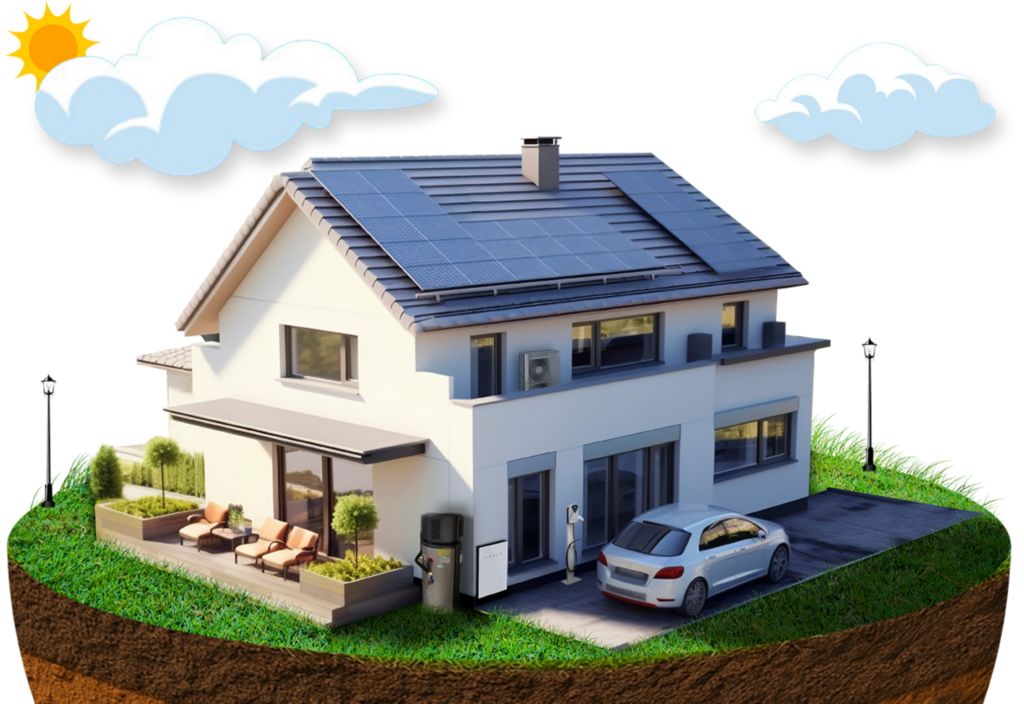
EV charging is increasingly being paired with rooftop solar systems, home batteries, and energy-efficient appliances. Single-phase chargers integrate well with standard solar setups and are commonly used in homes with smaller solar systems.
Three-phase chargers offer greater flexibility when combined with larger solar arrays and battery storage systems. They can better manage higher energy flows and are more suitable for homes aiming to maximise solar self-consumption or prepare for future energy upgrades.
For households planning long-term energy independence, three-phase charging often aligns better with broader electrification goals.
Installation and Upgrade Considerations
Installing a single-phase EV charger is usually straightforward in homes with existing single-phase supply. In many cases, no major electrical upgrades are required beyond standard safety checks and circuit protection.
Three-phase EV charger installation depends on whether the home already has three-phase power. Homes without it may require a supply upgrade from the electricity distributor, which involves additional planning and approval. While this adds complexity, it can also increase the home’s overall electrical capacity and future readiness.
A licensed electrician should always assess the property before recommending either option, ensuring the charger installation meets Victorian electrical standards and supports safe operation.
Which Option Is Right for Victorian Homes?
For most standard households in Melbourne and regional Victoria, a single-phase EV charger provides a practical and cost-effective solution. It supports daily driving needs, integrates well with existing electrical systems, and offers dependable overnight charging.
Three-phase EV chargers are better suited to larger homes, high-usage households, or those planning for multiple EVs, larger solar systems, or long-term energy upgrades. They represent a future-focused choice for homeowners who want maximum performance and flexibility.
The best solution is always based on the home’s electrical supply, lifestyle needs, and future plans rather than charging speed alone.
Final Thoughts on Choosing the Right EV Charger
Choosing between a single-phase and three-phase EV charger is about balancing practicality, performance, and future readiness. Both systems can deliver safe, reliable charging when installed correctly, but the right choice depends on how the vehicle is used and how the household’s energy needs may evolve.
With electric vehicles becoming a permanent part of Victoria’s transport landscape, selecting the right charging setup today ensures convenience, safety, and long-term value for years to come.
Why Homeowners Choose Zero Energy
Zero Energy helps Victorian homeowners make confident, future-ready energy decisions. From EV chargers and heat pumps to solar batteries and efficient heating and cooling systems, every solution is designed around your home, lifestyle, and long-term energy goals.
We focus on clarity before installation. That means assessing your electrical capacity, future upgrades, and rebate eligibility before recommending any system. All installations are completed by accredited professionals and fully comply with Victorian standards.
Whether you are upgrading a single system or planning a complete move toward electrification, Zero Energy delivers reliable advice, quality workmanship, and long-term performance you can trust.
Talk to a Zero Energy specialist today and explore the right solution for your home