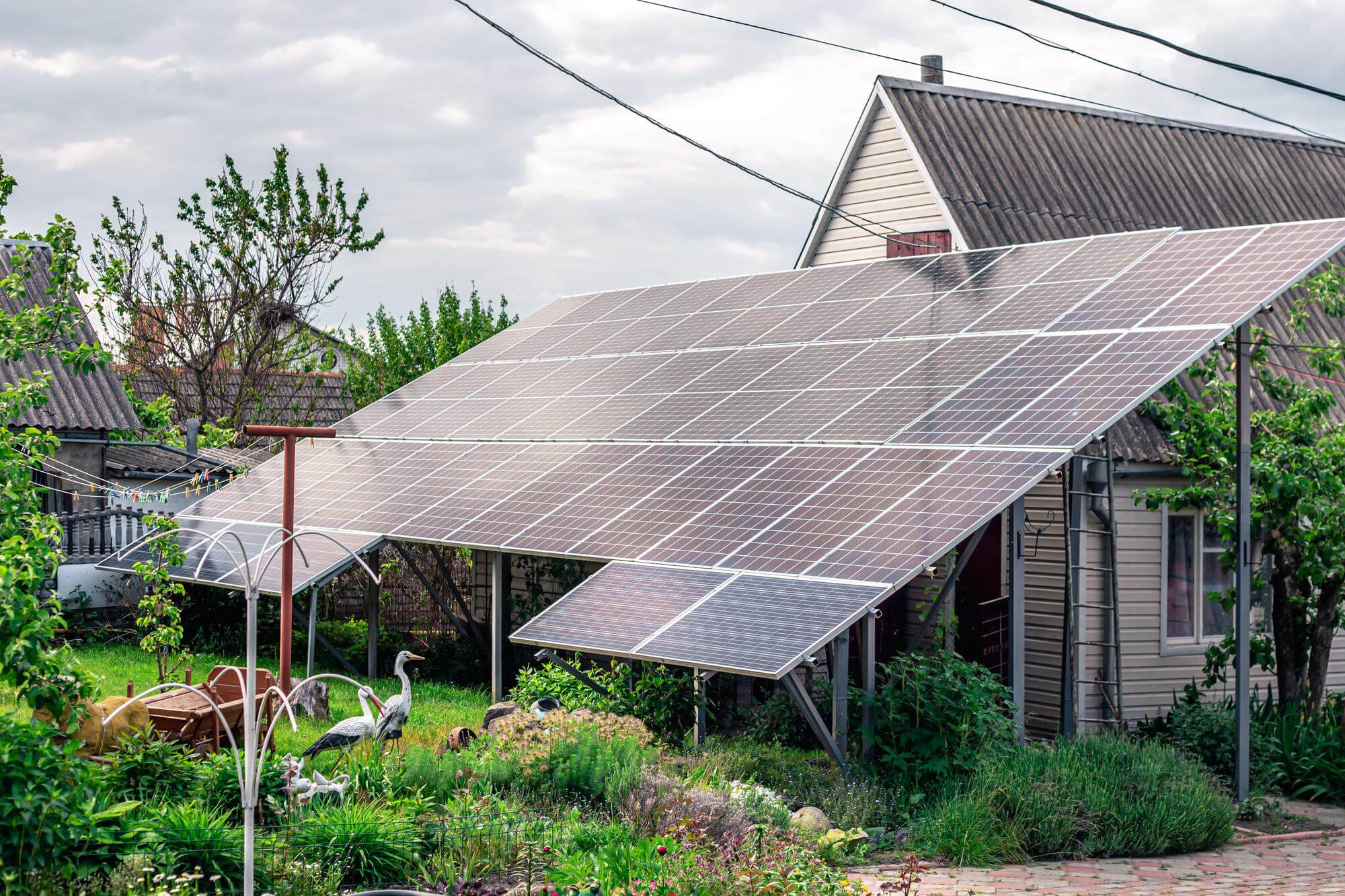
A solar power system is a long-term investment, often expected to perform reliably for 25 years or more. While modern solar panels and inverters are designed to be durable, regular maintenance plays a critical role in ensuring the system continues to operate at peak efficiency. In Melbourne and across Victoria, weather conditions such as dust, rain, wind, and temperature changes can slowly impact performance if systems are neglected.
Understanding how solar maintenance works helps homeowners and businesses protect their investment, maximise energy production, and avoid unexpected repair costs.
Why Solar Maintenance Matters More Than You Think
Solar systems are often described as “low maintenance,” but low maintenance does not mean no maintenance. Over time, dirt, dust, bird droppings, and debris can build up on panels, reducing the amount of sunlight they absorb. Even a thin layer of grime can noticeably reduce energy output.
Electrical components also age. Connections can loosen, inverters may develop faults, and monitoring systems can stop reporting accurate data. Without maintenance, small issues often go unnoticed until they result in significant performance loss or system failure.
Regular maintenance ensures your system continues producing the energy it was designed for, especially as electricity prices continue to rise.
How Dirty Panels Affect Solar Performance
Solar panels rely on direct sunlight exposure. When panels are covered with dust, pollen, salt residue, or pollution, their ability to generate power decreases. In urban and suburban areas of Victoria, airborne dust and traffic pollution can accumulate gradually, while rural properties may experience faster buildup due to soil and agricultural activity.
Rain helps but does not replace proper cleaning. Rainwater often leaves behind mineral residue and cannot remove stubborn grime. Professional cleaning restores panel efficiency and ensures consistent output throughout the year.
Inverter Health and System Monitoring
The inverter is the most important working component of a solar system. It converts solar energy into usable electricity and manages system safety. Unlike panels, inverters have a shorter lifespan and are more sensitive to heat and electrical stress.
Routine checks help identify warning signs such as error codes, unusual noises, or reduced output. Monitoring software allows system owners to track performance daily and spot sudden drops that indicate a fault. Addressing inverter issues early prevents long periods of lost solar generation.
Electrical Safety and Compliance Checks
Over time, electrical connections can degrade due to heat expansion, vibration, and weather exposure. Loose or damaged wiring not only reduces efficiency but can also pose safety risks.
Professional maintenance includes inspecting isolators, cabling, mounting systems, and earthing to ensure everything remains compliant with Australian standards. This is especially important for older systems or installations exposed to harsh weather conditions.
Seasonal Maintenance for Victorian Conditions
Victoria experiences strong seasonal variation, which affects solar performance differently throughout the year. Summer heat can stress inverters, while winter brings lower sunlight levels and increased moisture. Autumn and spring often introduce debris such as leaves and pollen that accumulate on panels.
Scheduling maintenance once or twice a year helps systems adapt to these seasonal changes and maintain consistent output regardless of weather conditions.
How Maintenance Extends System Lifespan
A well-maintained solar system not only produces more energy but also lasts longer. Panels that are kept clean experience less long-term surface degradation. Inverters that are checked regularly are less likely to fail unexpectedly. Mounting systems inspected over time remain secure and weather-resistant.
By preventing minor issues from becoming major failures, maintenance protects warranties and ensures your system reaches or exceeds its expected lifespan.
When to Book Professional Solar Maintenance
If your system is producing less energy than expected, showing inverter alerts, or has not been inspected in several years, it is time for a professional check. Even systems that appear to be working normally benefit from routine inspections to confirm everything is operating efficiently and safely.
For businesses, regular maintenance is even more important, as lost solar production directly affects operating costs and return on investment.
Final Thoughts on Solar Maintenance
Solar maintenance is not about constant servicing but about smart, periodic care. Simple actions like cleaning panels, checking system performance, and inspecting electrical components can significantly improve efficiency and reliability over time.
By treating maintenance as part of solar ownership, homeowners and businesses in Victoria can enjoy higher energy savings, fewer breakdowns, and confidence that their system will continue performing for decades to come.
Power Your Solar System the Right Way
Keep your solar system performing at its best with expert maintenance and support from Zero Energy Group. From inspections to performance checks, our team helps you protect your investment and maximise long-term savings.
📞 Call Zero Energy Group today or book a solar system check with our experts.