As more Melbourne homeowners explore shifting away from gas and toward full electrification, understanding the real costs involved becomes essential. Electrifying a home isn’t a single purchase, but a strategic series of upgrades that cumulatively transform how your house uses energy. In 2026, several factors shape the total cost picture, ranging from system selection and installation complexity to available rebates and long-term savings opportunities.
This guide walks through the realistic costs involved in going fully electric — not just the headline prices but the practical dollars homeowners will encounter when planning this transition.
What “Fully Electric” Really Means
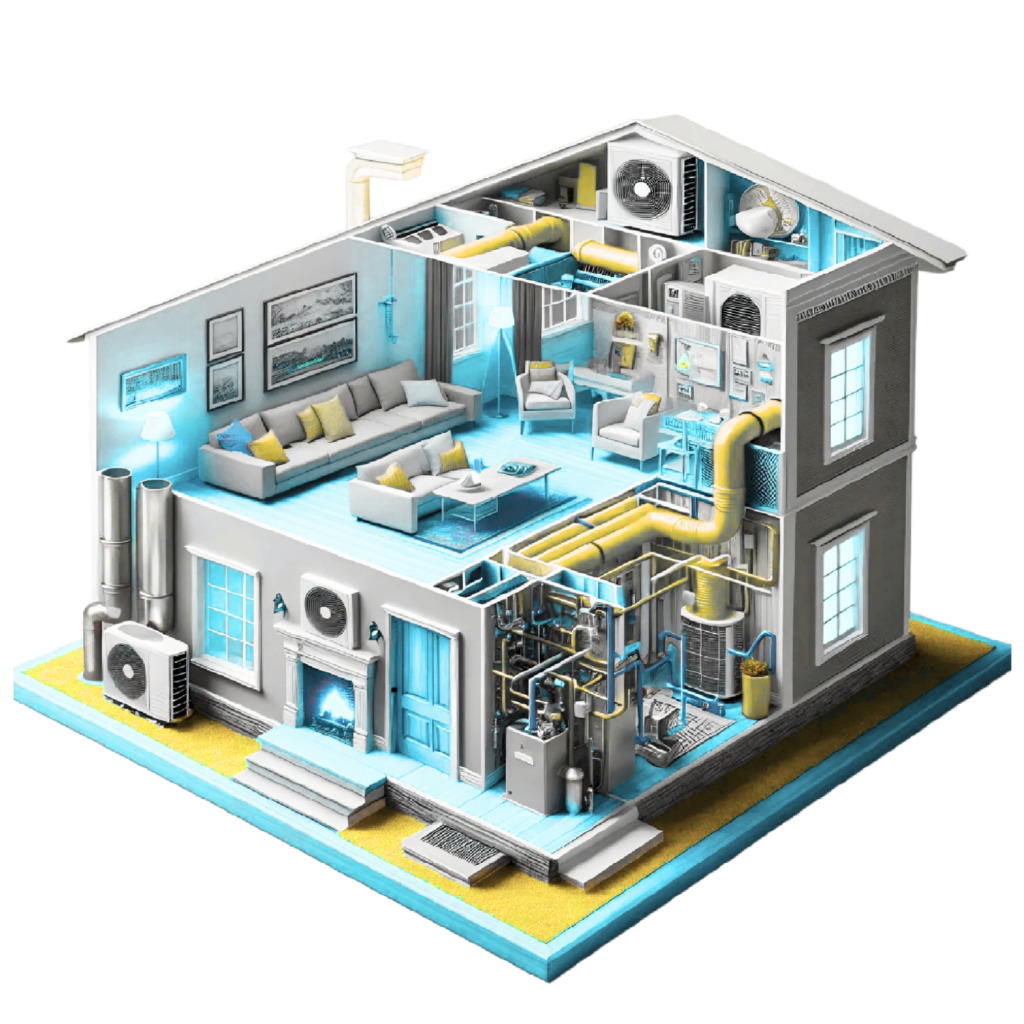
A fully electric home uses electricity for all major energy needs: heating, cooling, hot water, cooking, and often vehicle charging. In contrast to gas-reliant homes, an all-electric property relies on electric appliances, heat pumps, and renewable energy systems to meet daily energy use.
Electrification often includes rooftop solar, battery storage, electric hot water systems, heat pump space heating, induction cooktops, and EV chargers for cars. Each component adds to overall costs, but each also contributes to long-term energy savings and potential rebate eligibility.
Upfront Costs: Appliances and Systems
The most visible portion of going fully electric comes from replacing legacy gas systems and older electric appliances with newer, efficient electric alternatives. This usually involves several key upgrades.
Heat pump hot water systems are typically more expensive upfront than a basic gas or traditional electric storage tank. This higher initial cost reflects advanced technology, greater efficiency, and reduced ongoing energy use. In Melbourne’s climate, heat pump systems deliver hot water more efficiently — often using a fraction of the electricity used by older systems.
Next, reversing a home’s heating and cooling needs often means installing or upgrading to a well-designed heat pump or reverse-cycle air conditioning system. These systems can be more costly upfront than single-function gas heaters, but they provide both heating and cooling in a single unit with significantly higher energy efficiency.
For many homes, upgrading kitchen appliances is also part of electrification. Induction cooktops are more expensive than basic gas cooktops, but they provide faster heating, better temperature control, and increased safety indoors. This cost difference is usually recovered over time through energy savings and improved cooking performance.
Lastly, if you own or plan to own an electric vehicle, installing a home EV charger adds to the immediate cost. Charger price varies by speed, brand, and electrical capacity, but electric vehicle owners increasingly see this as part of a complete electrification plan.
Solar and Battery: The Heart of Long-Term Savings
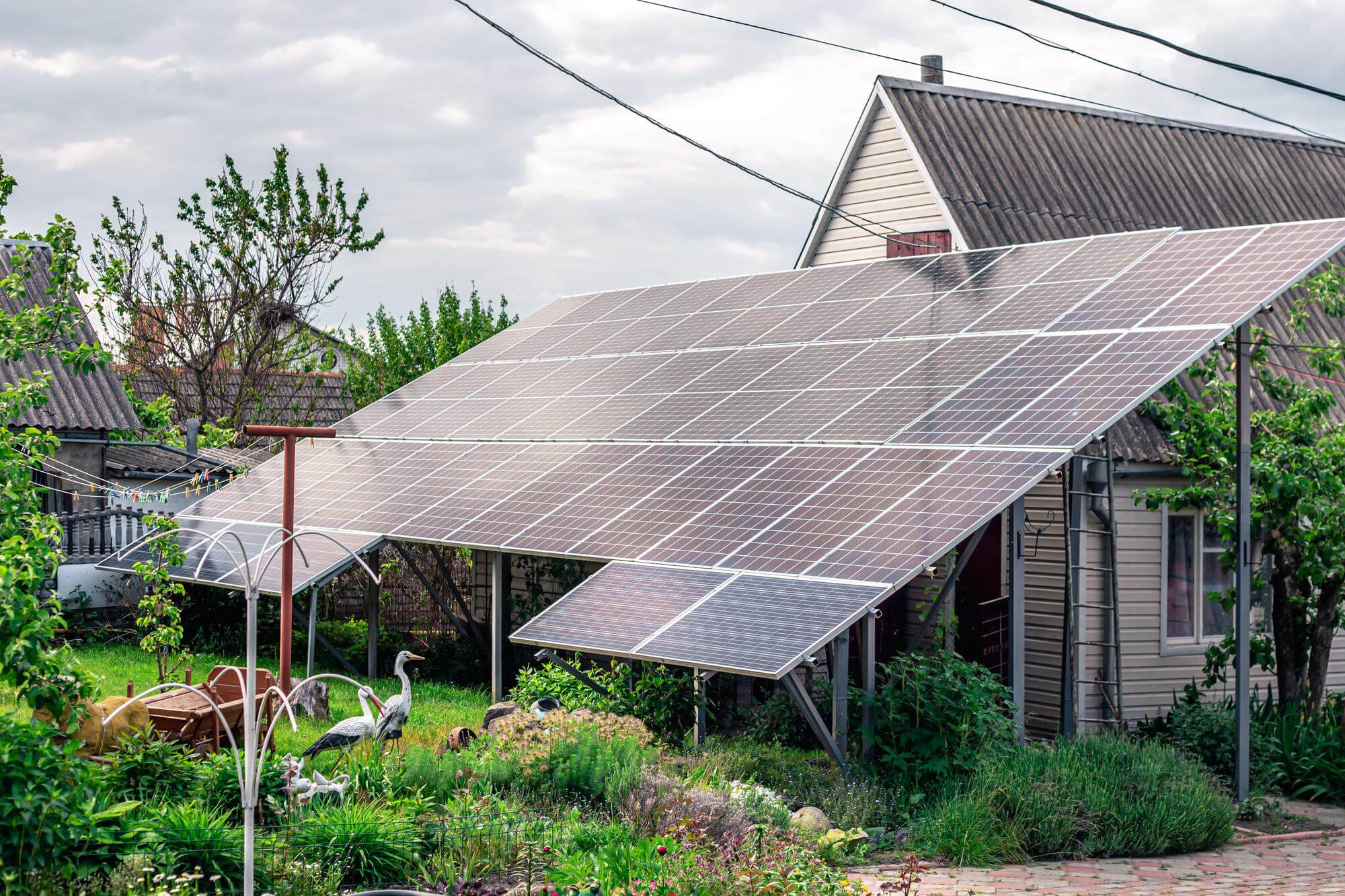
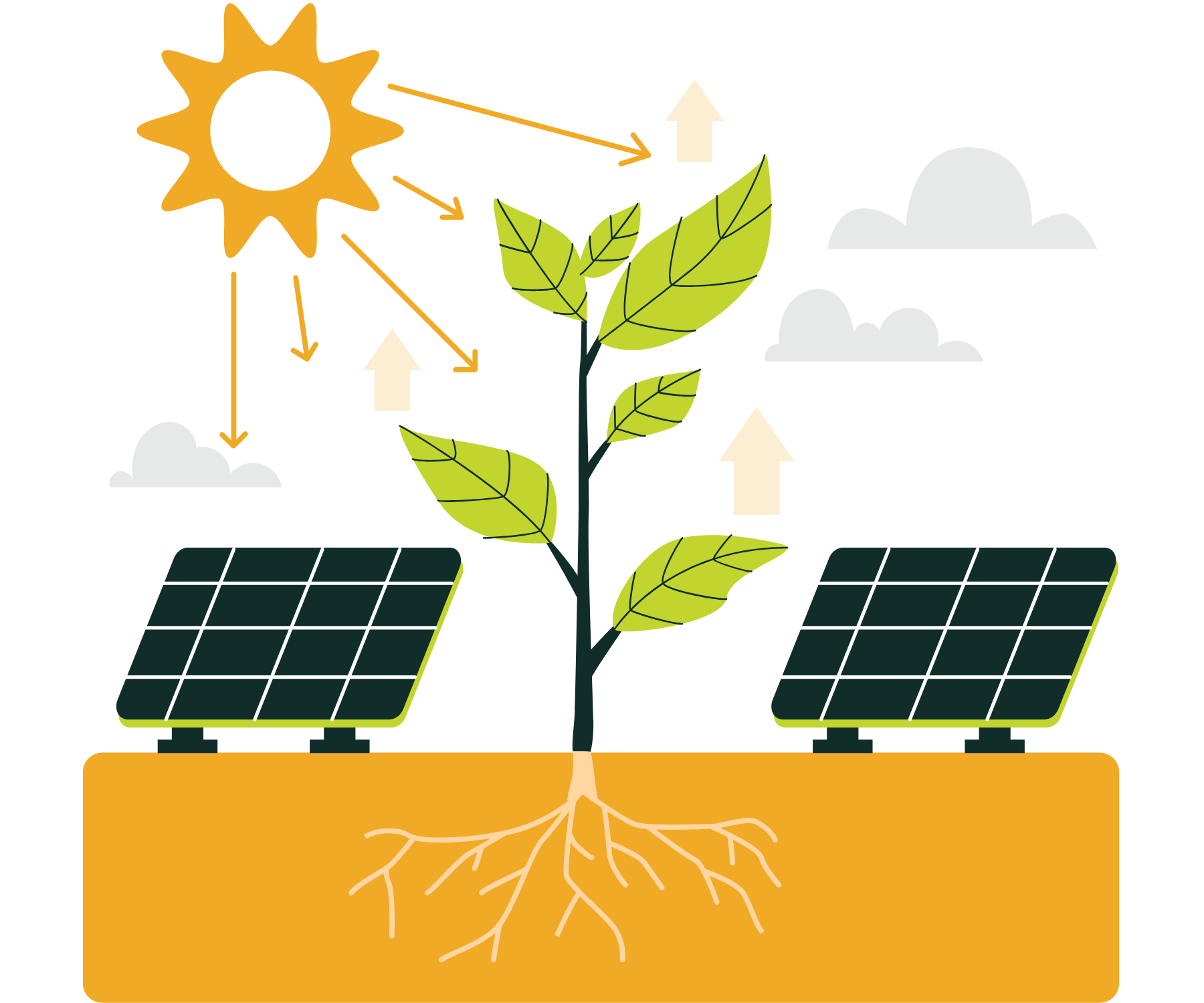
Solar photovoltaic panels and battery storage are core components of many all-electric homes. A rooftop solar system generates clean energy during the day, reducing reliance on grid electricity. Batteries store excess energy for use in the evening and during peak tariff periods, further maximizing self-consumption and minimizing bills.
The cost of solar systems has come down significantly over the last decade, but a quality system designed to meet the needs of a fully electric household remains a substantial investment. Solar system size varies by roof space, household usage, and future electrification plans. Larger systems generate more energy but also cost more upfront. For many households aiming to power heating, hot water, and EV charging, a robust solar array is central.
Batteries add to the upfront cost but also deliver some of the most valuable benefits of electrification. They reduce grid dependence, provide backup during outages, and enable strategic use of solar generation. In 2026, a well-sized battery reflects a balance between household needs, expected savings, and rebate incentives designed to improve affordability.
Electrical Infrastructure and Installation
Upgrading to electric often triggers the need for electrical infrastructure improvements. Older homes may require a switchboard upgrade, additional circuit capacity, or new wiring to safely support higher electrical loads from heat pumps, EV chargers, and other systems.
These infrastructure costs can vary widely depending on the home’s existing electrical setup and the complexity of the upgrades. While some homes require minimal changes, others need more extensive electrical work, which can add to the overall cost.
Professional installation by qualified electricians and certified installers is not optional — it is critical for compliance, safety, and warranty protection. Quality installation also ensures systems operate at peak efficiency and integrate seamlessly into your home’s energy profile.
Rebates, Incentives, and Financial Support
One of the biggest enablers of electrification in 2026 is the network of federal and Victorian rebates that help reduce upfront costs. Programs such as the Victorian Energy Upgrades (VEU) and federal schemes for heat pumps, batteries, and solar installations directly discount eligible systems when installed by accredited providers.
These rebates can significantly reduce the out-of-pocket cost. Depending on eligibility, homeowners may see 30-40% savings on selected systems when combining federal and state programs. Some incentives apply directly at the point of sale, while others require application and eligibility verification pre-installation.
Rebates not only reduce upfront cost but also improve the return on investment for electrification. Lower entry costs, combined with ongoing energy savings, make the total cost picture more favorable for many Melbourne households.
Long-Term Running Costs and Savings
Understanding real electrification costs also means looking beyond installation to ongoing energy use. Electric systems such as heat pumps, induction cooktops, and efficient reverse-cycle heating use energy more effectively than gas and older electric appliances.
Homes that generate a significant portion of their energy from solar panels see the strongest financial benefits. Electricity that would otherwise be purchased from the grid is replaced with self-generated power, dramatically lowering monthly bills. Batteries further enhance savings by storing solar energy for evening use when grid rates are highest.
Over time, these savings often outweigh the initial difference in upfront price between electric and gas systems. While the payback period varies by system type, usage patterns, and energy prices, many electrified households report significantly lower annual energy costs within a few years of installation.
Hidden Considerations: Maintenance and Lifecycle
Electrification also affects maintenance costs and system longevity. Electric systems tend to have fewer moving parts than gas appliances, reducing the frequency of required servicing and the likelihood of costly repairs. Heat pump systems, for example, require less maintenance than gas combustion units because they don’t involve burners, exhaust systems, or gas lines.
While batteries and inverters may require attention over time, their service costs are generally predictable and can often be addressed as part of regular energy system maintenance.
The Big Picture: What It Really Takes
Going fully electric in 2026 is a combination of strategic planning, staged investment, and smart system choices. Upfront costs include heat pumps, solar and battery systems, EV charging, and potential electrical upgrades. Rebates help reduce these costs significantly, while long-term energy savings improve the financial return.
Ultimately, electrification is not just about replacing appliances — it is about reshaping how a home uses and generates energy. For Melbourne homeowners, a fully electric home offers not only a path to lower ongoing costs but also greater comfort, independence from fuel price volatility, and alignment with a cleaner energy future.
Make the Transition with Zero Energy Group
Zero Energy Group helps Melbourne homeowners map, plan, and install all-electric home solutions that balance performance and cost. From heat pumps and solar to batteries and EV chargers, our team guides you through system selection, rebate eligibility, and professional installation.
Talk to Zero Energy Group today and discover what it really takes to go fully electric in 2026.