Electricity costs in Victoria are rising year after year. While rooftop solar has helped reduce bills, solar + battery packages are now changing the game entirely — allowing households to store energy, avoid peak tariffs, and gain real control over when and how power is used.
This blog explains why solar batteries are becoming mainstream in Victoria, how they impact real energy bills, and whether a solar + battery package makes sense for your home.
Why Solar Alone Is No Longer Enough
Traditional solar systems generate the most power during the middle of the day.
But most Victorian households use electricity early mornings and evenings — when solar generation is low and grid prices are high.
Without a battery:
Excess daytime solar is exported at low feed-in rates
Expensive grid electricity is still bought at night
True savings are limited by usage timing
This is where batteries step in.
What a Solar + Battery Package Actually Does
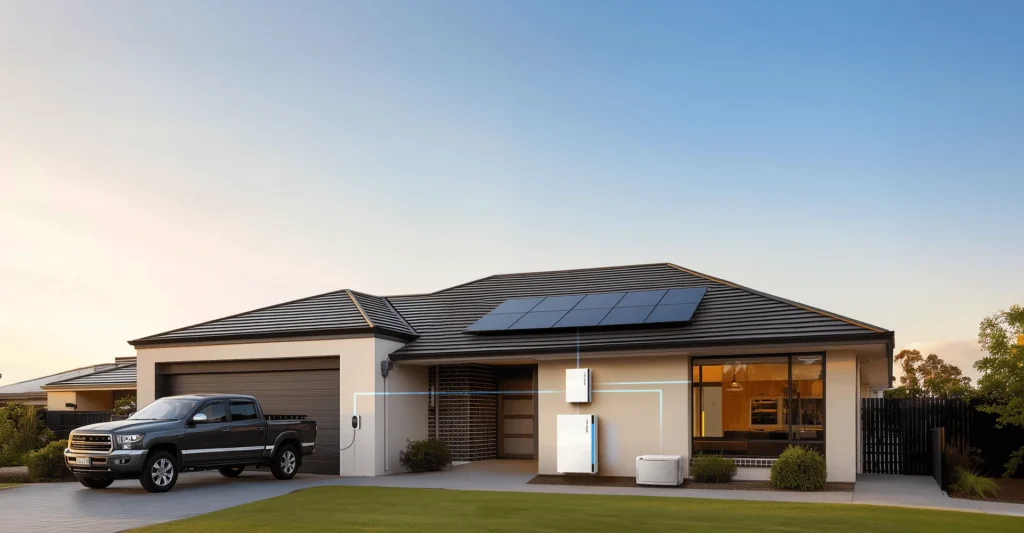
A solar + battery system stores unused solar energy during the day and releases it when you need it most.
With a battery, your home is:
Using solar power after sunset
Reducing peak-time grid imports
Increasing solar self-consumption
Becoming less dependent on energy retailers
In practical terms, this means lower quarterly bills and more predictable energy costs.
How Solar + Battery Systems Are Changing Energy Bills in Victoria
1. Higher Self-Consumption Rates
Solar only: ~30–40% of generated energy used on-site
Solar + battery: 70–85% self-consumption
This shift alone can double the value of your solar system.
2. Avoiding Peak Electricity Pricing
Victoria widely uses time-of-use tariffs, where electricity is most expensive in the evening.
Batteries allow households to:
Charge using solar during the day
Discharge during expensive evening periods
Reduce reliance on peak grid power
This directly lowers energy bills — not just annually, but every billing cycle.
3. Protection Against Future Price Rises
Energy prices are volatile. Solar + battery homes are increasingly insulated from:
Retail price increases
Feed-in tariff reductions
Grid instability during peak demand
Over time, this protection can be as valuable as the immediate bill savings.
Real Example – Typical Victorian Household
House Profile
4-person household
10kW solar system
10kWh battery
Before Battery
High evening grid usage
Annual savings: ~$1,000–$1,400
After Battery
Self-consumption: ~75–80%
Reduced peak imports
Annual savings: ~$1,800–$2,600
Results vary based on usage habits and tariffs, but the trend is consistent — batteries significantly amplify solar savings.
Rebates Making Solar + Battery More Affordable
Victorian households may benefit from:
Federal solar rebates (STCs)
Victorian Government solar programs (when available)
Battery rebate funding rounds (limited availability)
When combined correctly, rebates can reduce upfront costs by thousands of dollars, bringing payback periods closer than many expect.
Who Benefits Most from Solar + Battery Packages?
Best Fit Homes
Families with evening power usage
Homes with air conditioning or heat pumps
EV owners or future EV plans
Time-of-use electricity tariffs
Less Ideal Scenarios
Very low energy usage homes
Daytime-only electricity use
Limited roof space for solar expansion
Common Mistakes to Avoid
❌ Installing a battery without usage analysis
❌ Oversizing or undersizing storage
❌ Ignoring tariff structures
❌ Assuming all batteries perform the same
A well-designed system matters more than brand or size alone.
The Future of Energy in Victoria
Solar + battery systems are becoming:
Smarter (automated energy management)
More grid-integrated (VPP-ready)
More valuable as tariffs change
Homes are shifting from passive consumers to active energy managers — and batteries are at the centre of that transition.
FAQ – Solar + Battery Packages
Is a solar battery worth it in Victoria?
Yes, especially for households with evening usage or time-of-use tariffs. Batteries significantly increase solar self-consumption and reduce peak grid reliance.
How much can a battery reduce my electricity bill?
Most Victorian households see an additional $800–$1,500 per year in savings compared to solar alone.
What battery size is best for a typical home?
Most homes benefit from 7–10kWh, but the right size depends on daily usage and evening demand.
Do batteries work during blackouts?
Only systems with backup capability and correct wiring can supply power during outages.
Can I add a battery later?
Yes. Many systems are battery-ready, allowing future upgrades when prices or rebates improve.
Simple Solar + Battery Savings Calculator
Step 1 – Your Daily Energy Usage
15–25 kWh → Small–Medium Home
25–40 kWh → Medium–Large Home
40+ kWh → High Usage / EV / All-Electric Home
Step 2 – Evening Usage Percentage
Less than 30% → Lower battery benefit
30–50% → Strong battery value
50%+ → Excellent battery ROI
Step 3 – Estimated Annual Savings
Solar only: $900–$1,400
Solar + battery: $1,800–$2,600
The more power you use in the evening, the higher your battery savings.
Final Takeaway
Solar panels started the energy shift.
Solar + battery packages are completing it.
For many Victorian homes in 2026, batteries are no longer a luxury — they are a strategic upgrade that delivers:
Lower bills
Greater energy control
Long-term cost stability