Many Melbourne homeowners wonder whether solar panels are worth it when the weather isn’t always sunny. The perception that solar only works under a bright blue sky is understandable — especially in a city known for its changeable seasons, long cloudy stretches, and occasional rainy periods. But when it comes to solar performance in cloudy weather, the reality is far more encouraging than most people think.
In fact, solar panels do continue to generate electricity in cloudy conditions, and with the right system design and energy strategy, homes across Melbourne can still benefit significantly from solar — even when the sun isn’t shining its brightest.
How Solar Panels Generate Power in Cloudy Conditions
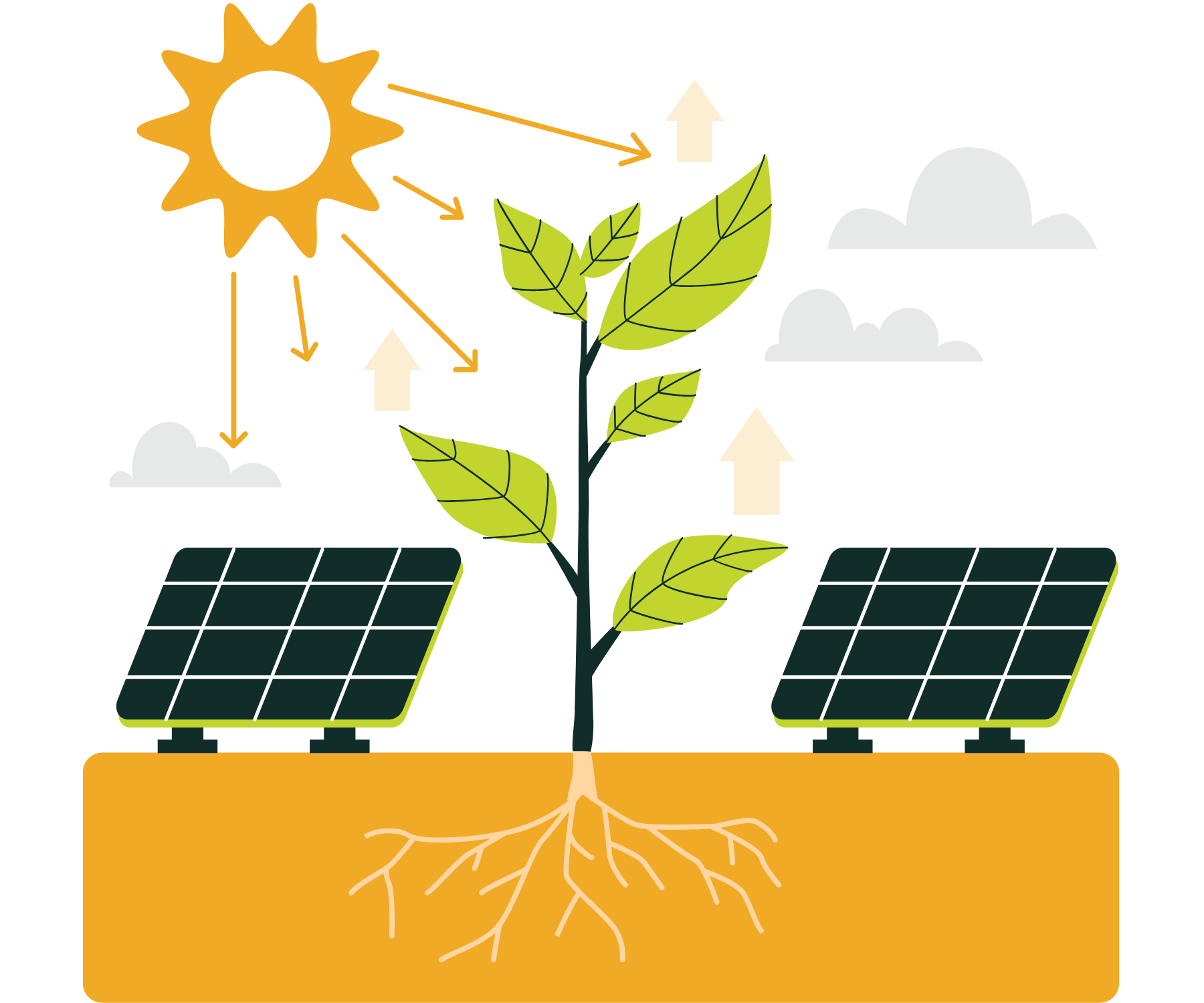
Solar panels work by converting sunlight into electricity. It’s true that direct sun produces the highest energy output, but panels don’t stop working just because clouds roll in. That’s because solar modules capture diffused sunlight, which is sunlight scattered through clouds and atmosphere, not just direct sunbeams.
On an overcast day, solar panels may produce less energy than on a clear day, but they still produce enough to meaningfully offset grid electricity use. In practical terms, a solar system might generate 30% to 70% of its usual output on a cloudy day — and often more on bright but cloudy mornings or afternoons.
For Melbourne homes, where weather patterns can change rapidly, this “cloud plus diffused light” generation is an important part of why solar remains a reliable investment.
Melbourne’s Seasonal Solar Reality
In Melbourne, sunny days are frequent enough to make solar worthwhile year-round. While winter has shorter days and more cloud cover, solar panels still produce electricity during daylight hours. During summer, solar output increases dramatically due to longer sunny days.
Rather than focusing on individual cloudy days, it’s more useful to think in terms of monthly or seasonal averages. Even in Melbourne’s cloudier months, solar systems can produce a substantial proportion of household energy — especially when paired with battery storage or a solar plan that maximises self-consumption of generated power.
The key is understanding that solar works on both sunny and cloudy days, just at different levels of output. Over the course of a year, the cumulative energy generated by solar panels in Melbourne is more than enough to justify installation for most homes.
Why Diffuse Light Still Generates Power
Solar cells are made from semiconductors that respond to photons — particles of light — regardless of whether those photons are part of direct sunlight or scattered light. Diffuse photons still trigger the photovoltaic effect inside each solar cell, and while the efficiency is lower under cloud cover, the panel does not stop producing electricity completely.
This is why solar works well even when the sky is overcast. In fact, during dawn, dusk, or light cloud cover, panels still make plenty of energy — enough to power appliances, charge batteries, and reduce grid electricity use.
For families in Melbourne who use energy during daylight hours, this capability means solar continues to deliver value regardless of typical weather patterns.
The Role of System Design and Orientation
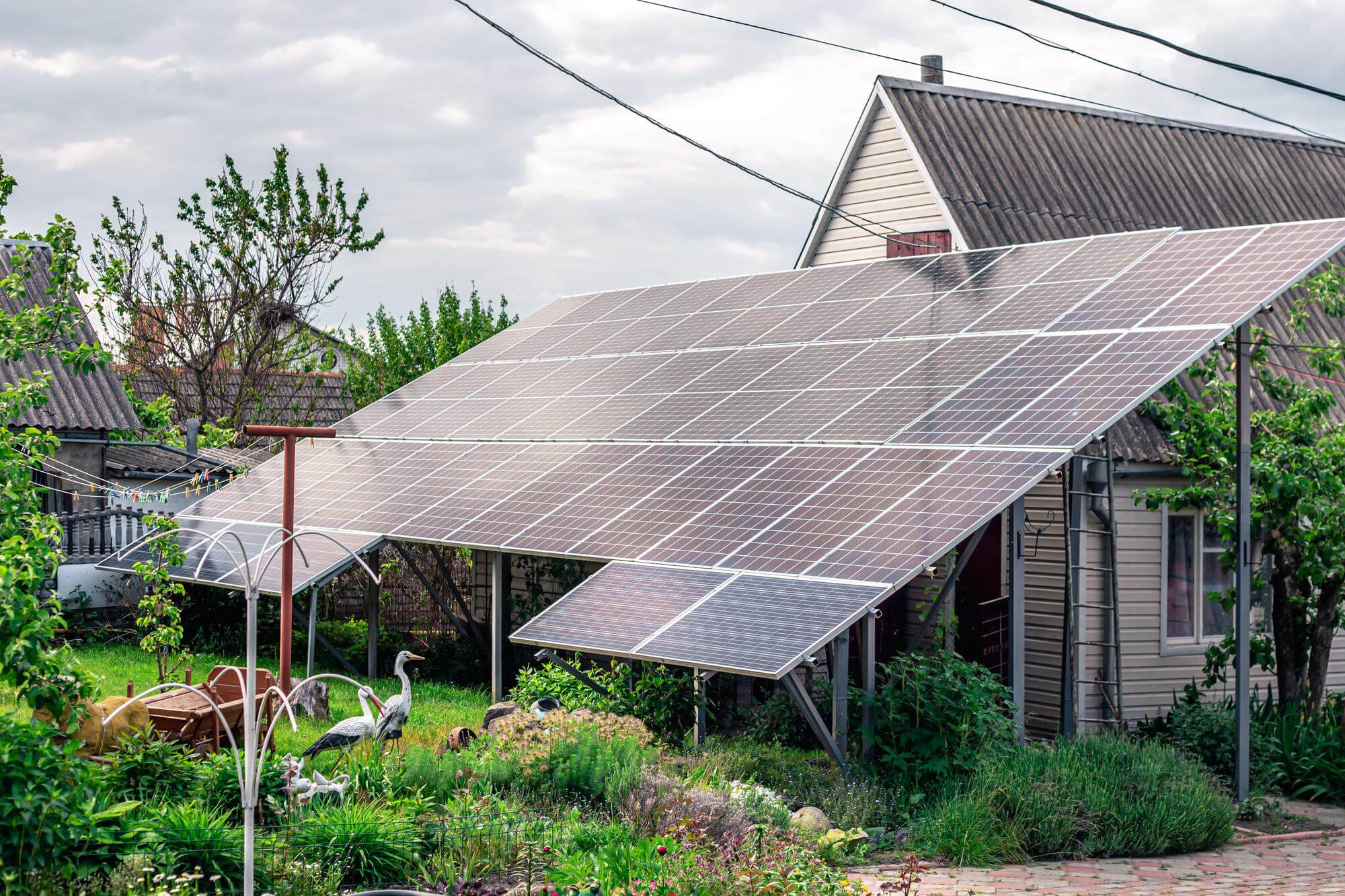
How much solar energy your system produces on a cloudy day also depends on system design. Roof orientation, tilt angle, and shading affect how much diffused light hits each panel. A well-designed solar system for Melbourne will optimise these factors so panels capture as much available light as possible.
Panels facing north capture the most sunlight throughout the year, but east and west orientations also work well in Melbourne’s climate. It is down to the installer’s design and site assessment to ensure the system maximises production under local conditions, cloudy days included.
Experienced installers consider seasonal weather patterns, roof layout, and typical energy usage habits to size the system so that overall performance meets expectations year-round.
Batteries and Cloudy Days: Better Together
On cloudy days, one of the biggest benefits of solar paired with a battery is that stored energy can supplement reduced generation. When panels produce less power, a battery can supply stored solar energy during peak usage periods, such as early evening.
This combination helps homes rely less on grid electricity even when solar output dips temporarily. For Melbourne households aiming to reduce bills and increase grid independence, solar plus battery systems help smooth out cloudy weather impacts and provide more consistent energy coverage.
Cloudy Weather Myths vs Reality
Myth: Solar panels don’t work at all when it’s cloudy.
Reality: Panels still generate significant electricity from diffused light even under thick cloud cover.
Myth: Solar only makes sense in tropical or desert climates.
Reality: Regions like Melbourne see enough daylight and diffused solar radiation to make systems financially viable year-round.
Myth: Solar output drops to zero on rainy days.
Reality: While rainy weather reduces output, solar panels continue to produce electricity whenever there is daylight.
Understanding these truths helps Melbourne homeowners feel confident installing solar without worrying about everyday weather variability.
Long-Term Value: It’s About Annual Performance
What matters most is not the output on one cloudy afternoon, but the total annual energy production. Melbourne’s climate still delivers abundant solar generation across spring, summer, autumn, and even winter.
In practice, solar systems in Melbourne consistently deliver strong long-term performance. Over months and years, the energy generated — even on cloudy days — adds up to meaningful savings on electricity bills.
When this cumulative output is combined with thoughtful self-consumption strategies, intelligent use of batteries, and system design tailored to local conditions, solar remains a powerful investment.
Make Solar Work for Your Melbourne Home
Solar panels absolutely work in cloudy weather — and they work well in Melbourne. The key is understanding how solar technology adapts to diffused light, how well-designed systems capture available energy, and how complementary solutions like batteries enhance performance through variability.
For homeowners who want lower bills, cleaner energy, and greater control over power use, solar is still a compelling choice — even on overcast days.
Power Your Solar Transition with Zero Energy Group
At Zero Energy Group, we help Melbourne families design solar systems that deliver consistent energy production year-round, even through cloudy weather. From system sizing and roof assessment to installation and ongoing performance monitoring, our team ensures your solar investment works for your lifestyle and local conditions.
Contact Zero Energy Group today and see how solar performs for your home — rain or shine.