As electricity prices continue to rise and more homeowners invest in renewable energy, home batteries have become a popular way to maximise savings and achieve greater energy independence. In 2026, many Victorians are asking whether investing in a home battery is truly worth it. The answer depends on household energy consumption, solar generation, and lifestyle patterns. By understanding the costs, potential savings, and long-term benefits, homeowners can make an informed decision about whether a battery system is right for their home.
How Home Batteries Work
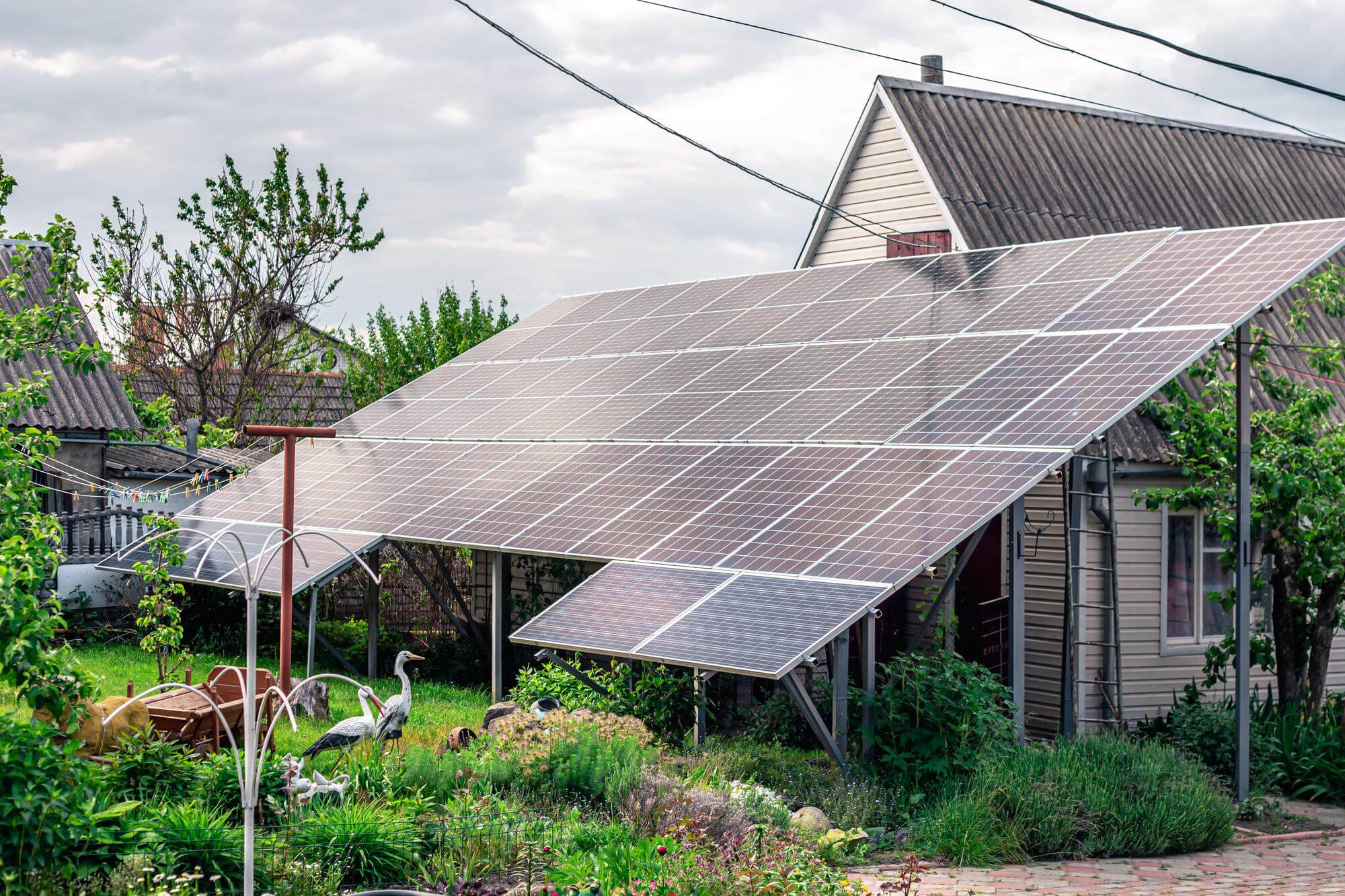
Home batteries store electricity generated by solar panels or drawn from the grid during off-peak hours. Instead of sending excess solar energy back to the grid for a small feed-in tariff, a battery allows homeowners to use that energy when it’s needed most, particularly during peak periods or at night. This reduces reliance on the electricity grid and maximises self-consumption, which can significantly lower household energy bills. For example, a typical Victorian home with a 6.6 kW solar system and a 10 kWh battery can cover most evening electricity needs, including lighting, appliances, and moderate air-conditioning, without drawing from the grid. Homes with higher energy demands or larger families may benefit from 13.5 kWh or expandable batteries to meet their energy needs more fully.
The Cost of Home Batteries
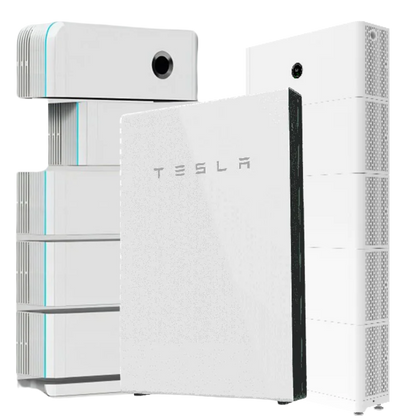
In 2026, installing a home battery generally costs between $8,500 and $14,000, depending on capacity, brand, and installation complexity. Popular systems such as Tesla Powerwall, LG Chem, and Sonnen are chosen by Australian homeowners for reliability and efficiency. The price typically includes the battery, inverter, and professional installation. Homeowners should also factor in ongoing maintenance and potential inverter replacements. Modern batteries often come with ten-year warranties and maintain over 80 to 90 percent efficiency throughout their lifespan, ensuring long-term performance and financial benefit.
Calculating the Savings
Savings from a home battery depend on energy usage, solar generation, and electricity tariffs. By storing excess solar energy for evening use, many Victorian households can reduce grid electricity consumption by 60 to 80 percent. Homes on time-of-use tariffs benefit even more, as stored energy can replace electricity purchased during peak-price periods. For example, a Melbourne household generating 20 kWh per day may use 12 kWh directly during daylight hours and store the remaining 8 kWh in a battery for evening consumption. Over time, this approach can lead to thousands of dollars in annual savings and a return on investment within five to eight years.
Non-Financial Benefits
Beyond monetary savings, home batteries provide other significant advantages. They offer backup power during blackouts, keeping essential appliances such as fridges, lighting, and communication devices operational. Batteries also give homeowners greater energy independence, reducing reliance on the grid and exposure to fluctuating electricity prices. From an environmental perspective, using stored solar energy instead of grid electricity lowers carbon emissions, contributing to a more sustainable household. These benefits are especially valuable in areas prone to outages or high peak electricity rates, such as Victoria during summer or winter months.
When Home Batteries Are Worth It
Home batteries are typically worth the investment if a household generates excess solar energy, wants to minimise electricity bills, or requires reliable backup power. They are also ideal for homeowners focused on long-term energy independence and environmental sustainability. For homes with low energy use or limited solar generation, financial payback may take longer, and smaller batteries or other energy efficiency measures might be more practical. Each household must weigh upfront costs against long-term savings, lifestyle benefits, and resilience to determine the best solution.
Make the Smart Choice with Zero Energy
Zero Energy assists Victorian homeowners in selecting and installing home battery systems tailored to their energy needs. Our team provides professional guidance, installation, and ongoing support to ensure homeowners achieve maximum savings and energy independence. Whether the goal is to reduce electricity bills, gain backup power, or transition to a sustainable home, Zero Energy ensures every battery investment delivers value and peace of mind.