Rising energy costs pushed one Melbourne family to rethink how their home used power. Like many households across Victoria, they were dealing with increasing gas bills, unpredictable electricity prices, and growing concern about long-term energy security. What started as a simple solar enquiry quickly turned into a full transition to an all-electric home.
Within twelve months, their combined energy bills dropped by nearly seventy percent.
Life Before Electrification
The home was a typical gas-connected Melbourne property. Space heating relied on a ducted gas heater, hot water was supplied by an aging gas storage system, and cooking was handled by a gas cooktop. Electricity usage was moderate, but gas bills were consistently high, especially during winter.
Despite being energy-conscious, the family had little control over their running costs. Gas prices continued to rise, and seasonal heating costs created bill shock every year.
The Decision to Go Electric
The turning point came when the gas heater began showing signs of failure. Rather than replacing it with another gas system, the family explored electric alternatives. After a home energy assessment, they decided to take a staged electrification approach rather than replacing everything at once.
The goal was simple. Reduce reliance on gas, increase efficiency, and future-proof the home against rising energy costs.
Step One: Solar Power as the Foundation
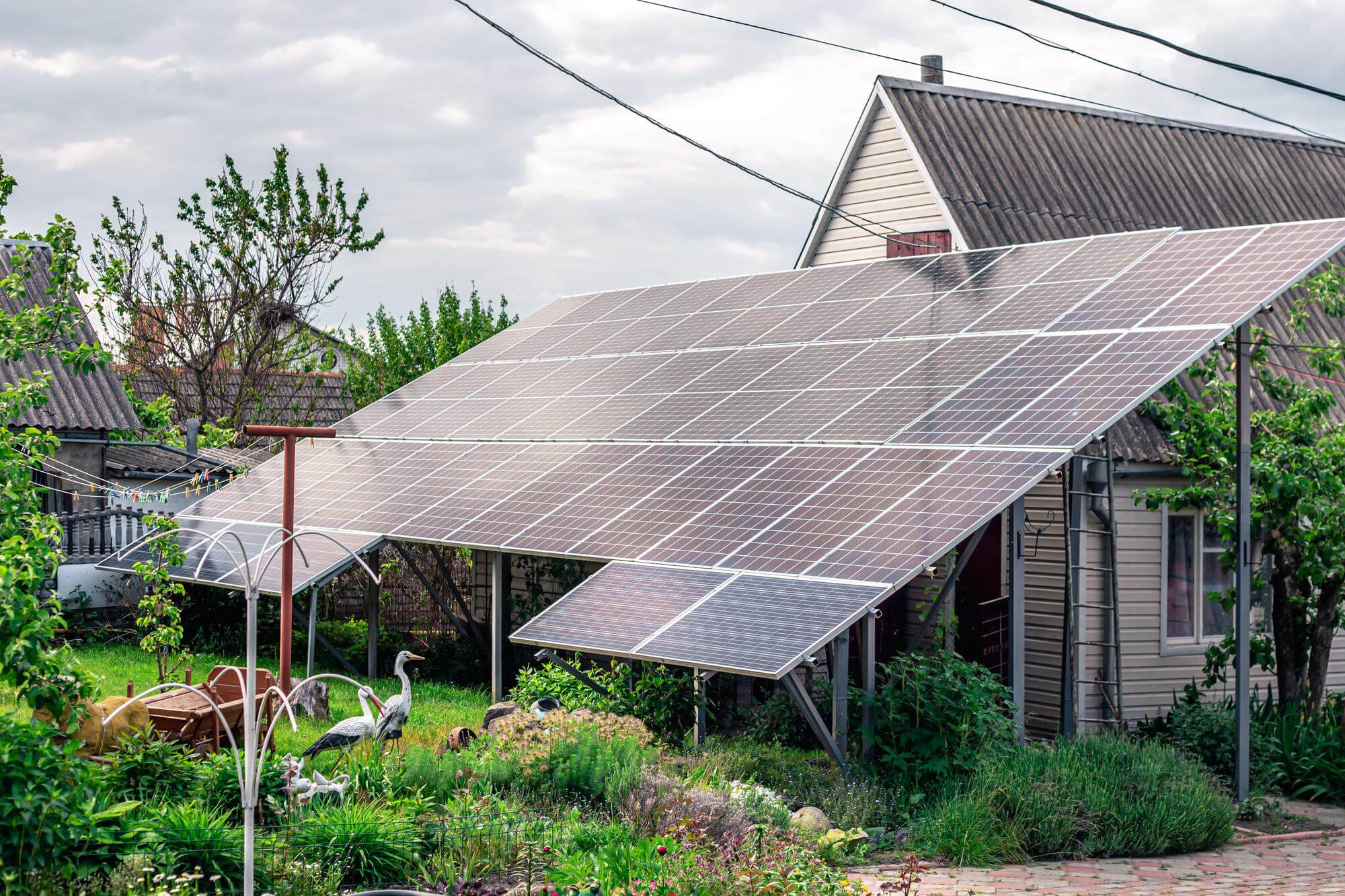
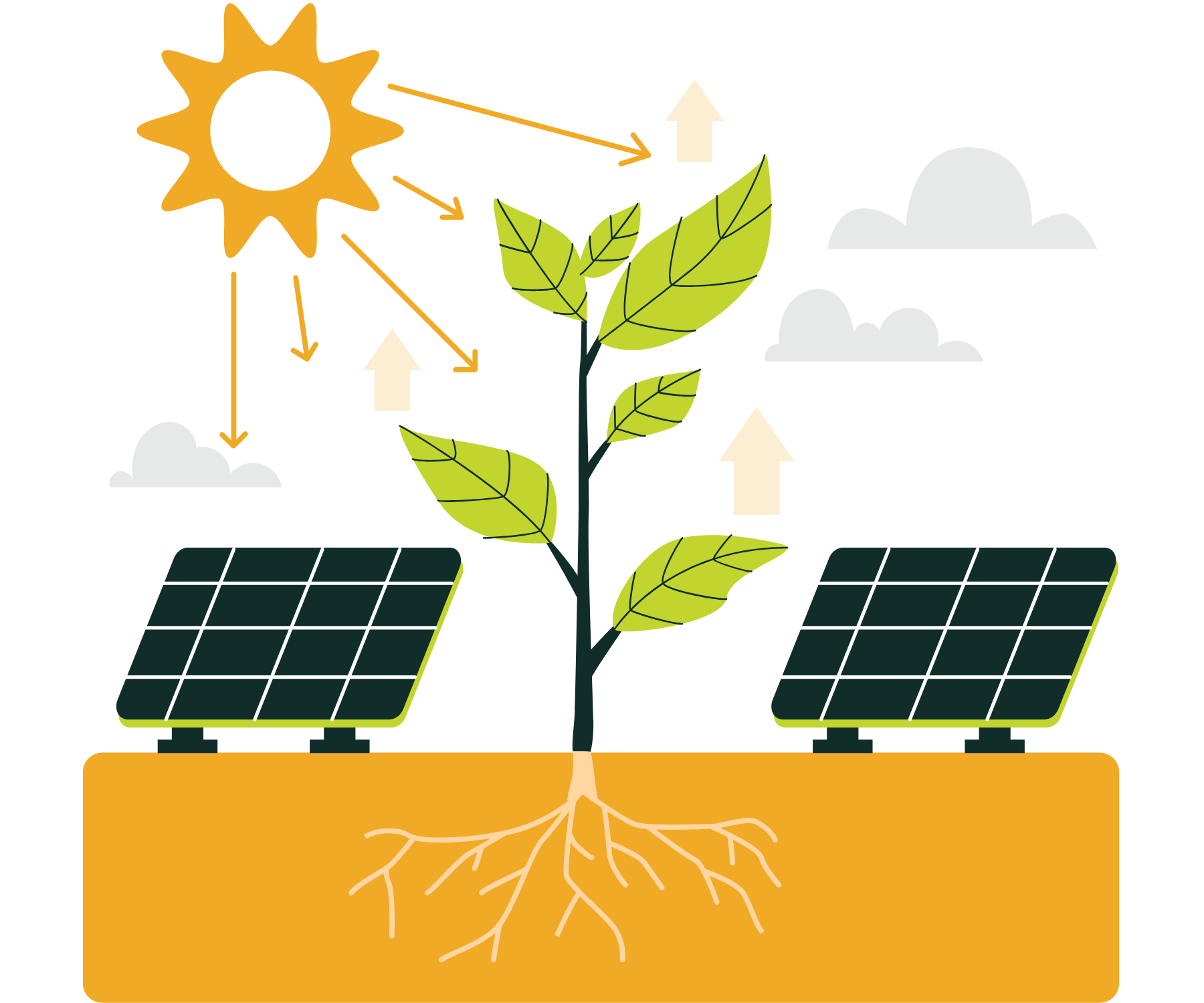
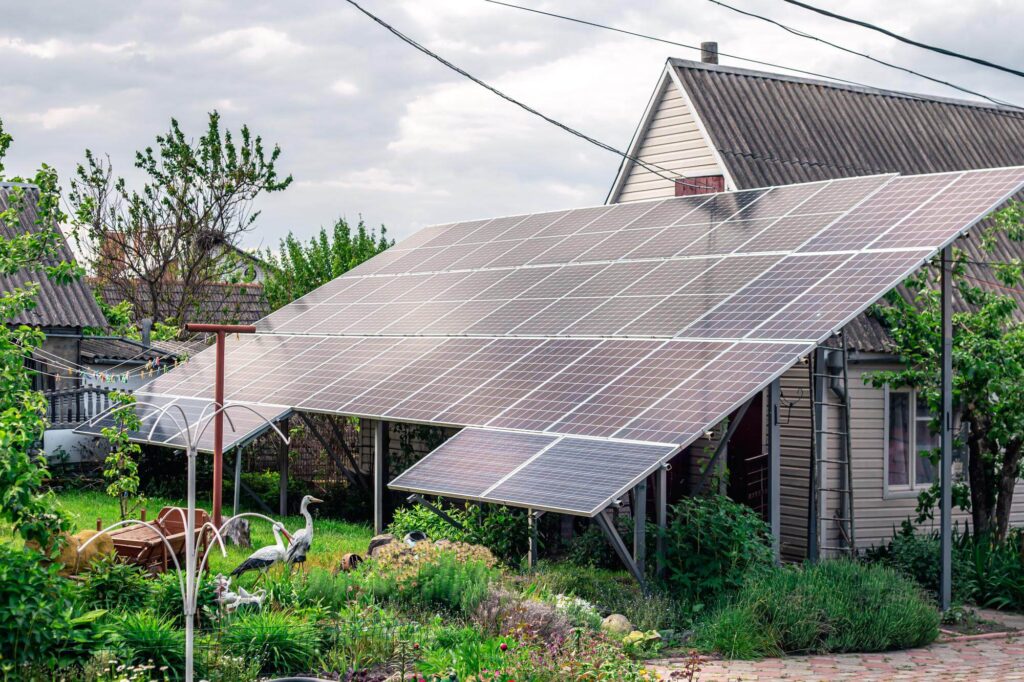
The first upgrade was a rooftop solar system sized to cover most daytime household usage. This immediately reduced grid electricity consumption and created a platform for electrification. Instead of exporting excess solar at low feed-in rates, the family wanted to use as much of their own solar energy as possible.
Step Two: Replacing Gas Heating with Reverse-Cycle
Next, the gas ducted heater was removed and replaced with a high-efficiency reverse-cycle system. This single change delivered the biggest immediate impact. Heating costs dropped significantly, and the home became easier to manage room by room.
Unlike gas heating, the reverse-cycle system could run largely on solar energy during the day and remained far more efficient during colder months.
Step Three: Switching to a Heat Pump Hot Water System
The gas hot water system was the final major gas appliance to go. It was replaced with a heat pump hot water system designed to operate during solar generation hours. This reduced overnight electricity use and eliminated one of the home’s largest gas expenses.
With gas fully removed, the family was able to disconnect from the gas network entirely, avoiding ongoing supply charges.
The Resulting Energy Bill Reduction
After completing the transition, the household saw a dramatic change in their energy profile. Gas bills disappeared completely. Electricity bills dropped despite increased electric usage, thanks to solar generation and efficient appliances.
Across a full year, total energy costs were reduced by approximately seventy percent compared to their previous gas-and-electric setup. Winter bills became predictable, summer costs remained low, and energy usage was easier to understand and manage.
Comfort and Lifestyle Improvements
Beyond the financial savings, the family noticed immediate lifestyle benefits. Indoor air quality improved with the removal of gas appliances. Heating became more consistent and controllable. Hot water was reliable year-round without performance drops.
The home also became quieter, cleaner, and better aligned with modern energy expectations.
Why This Approach Worked So Well
The success of this transition came from proper planning rather than rushing into a single upgrade. Solar was installed first, followed by heating and hot water changes that maximised self-consumption. Rebates and incentives reduced upfront costs, while efficient system design ensured long-term savings.
This case highlights how electrification works best when systems are designed to work together rather than in isolation.
A Growing Trend Across Melbourne
More Melbourne households are following the same path. Rising gas costs, generous Victorian rebates, and improved electric technology are making all-electric homes the new standard rather than the exception.
For families looking to cut bills, reduce emissions, and future-proof their homes, electrification is no longer a niche choice. It is a practical, proven solution.
Start Your Own All-Electric Journey with Zero Energy Group
Zero Energy Group helps Melbourne families reduce energy bills by designing and installing smart all-electric solutions. From solar and heat pumps to full gas-to-electric transitions, we handle everything from assessment to rebates and installation.
Talk to Zero Energy Group today and see how much you could save by going electric.