Australia is steadily moving toward an all-electric future, and 2026 marks an important stage in that transition. Across the country, governments are encouraging households to reduce reliance on gas and adopt modern electric alternatives that align with cleaner energy goals. This shift reflects changing energy priorities, rising awareness of sustainability, and the long-term benefits of electrification for homes.
The transition is not about sudden change, but about guiding homeowners toward systems that are more efficient, future-ready, and compatible with Australia’s evolving electricity grid.
Why the Focus Is Moving Away from Gas
Gas has played a major role in Australian homes for decades, but its future is becoming increasingly limited. As infrastructure ages and environmental expectations change, gas is no longer seen as the most practical long-term option for heating, hot water, or cooking.
Electric systems are now viewed as cleaner, safer, and easier to integrate with renewable energy sources like solar. By encouraging households to move away from gas, governments aim to reduce emissions while improving indoor comfort and energy performance.
What the Transition Means for Homeowners
For homeowners, the gas-to-electric transition is designed to happen gradually. Instead of forcing immediate replacements, the focus is on upgrading systems as gas appliances reach the end of their lifespan. This approach allows households to plan upgrades more comfortably while avoiding unnecessary costs.
Electric heating, cooling, and hot water systems are becoming the standard choice for new homes, and existing properties are being encouraged to follow the same path over time. The goal is to make electric living the default, rather than the exception.
The Role of Renewable Energy
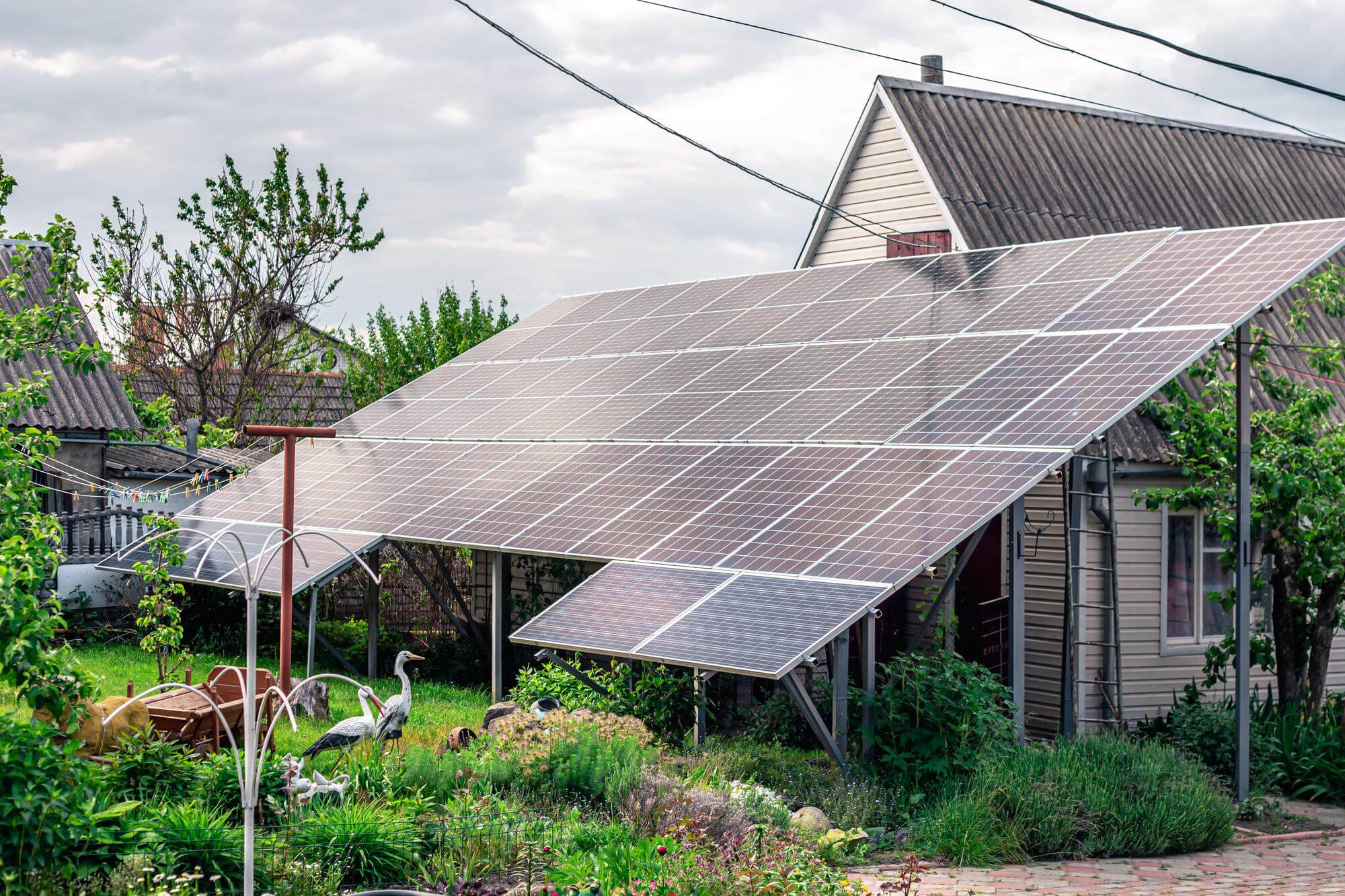
A major reason behind the push for electrification is Australia’s growing renewable energy capacity. Electric systems can be powered by solar and other clean energy sources, making homes more self-sufficient and less exposed to future energy price changes.
As the electricity grid continues to improve, electric homes are expected to become more efficient and more reliable, strengthening the case for moving away from gas entirely.
Preparing Homes for the Future
The gas-to-electric transition is also about future-proofing homes. Properties designed around electric systems are easier to upgrade, integrate with new technologies, and adapt to changing regulations. This makes electrified homes more attractive, resilient, and aligned with long-term energy planning.
By planning ahead, homeowners can avoid rushed decisions and ensure their upgrades support both comfort and sustainability.
Looking Ahead Beyond 2026
The year 2026 represents a clear signal rather than a deadline. It reflects the direction Australia is heading, where electric systems become the norm and gas plays a smaller role in everyday living. Over time, this transition is expected to create homes that are cleaner, quieter, and better suited to modern energy needs.
Moving to electric is no longer just an environmental choice. It is becoming the practical, forward-thinking option for Australian households.
Make the Move to Electric with Zero Energy
Zero Energy helps Victorian homeowners transition from gas to efficient, all-electric systems designed for long-term comfort and reliability.
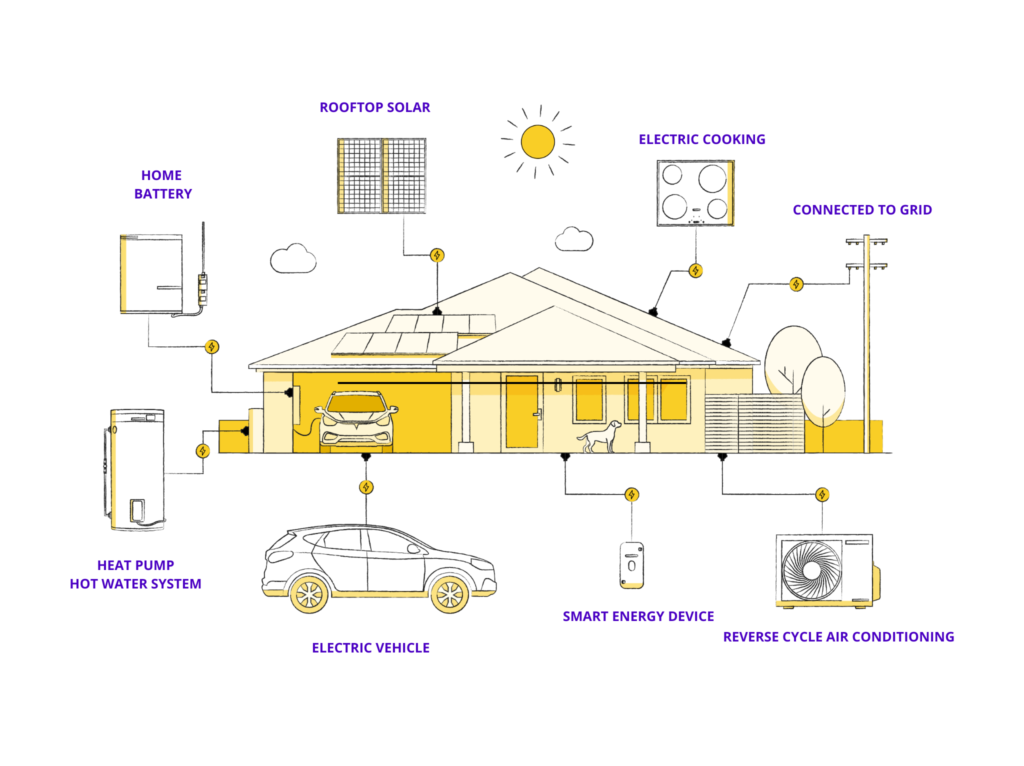
From electric heating and cooling to heat pump hot water systems, solar, batteries, and EV chargers, our team provides expert advice, quality installation, and guidance on available rebates. We focus on practical solutions that suit your home today while preparing it for the energy future.
If you’re considering moving away from gas or planning an electric upgrade, Zero Energy is here to make the transition simple and stress-free.
Contact Zero Energy today to start your journey toward a cleaner, fully electric home.