For many Melbourne and Victorian homeowners, government rebates and incentives make upgrading to cleaner, more efficient technologies far more affordable. In 2026, a layered approach to rebates — combining solar, battery, and heat pump incentives — can significantly reduce upfront costs and improve long-term savings. Understanding how these programs interact, and how to stack them effectively, ensures you get the most out of every dollar you invest in electrification.
This guide explains what rebates are available, how they work together, and practical strategies to combine them without risking eligibility.
Why Smart Rebate Stacking Matters
When homeowners consider switching to electric technologies, the total upfront cost can seem daunting. Solar systems, battery storage and heat pump hot water systems each have their own price tag. But when rebates are applied in smart combinations, many households find that the net cost becomes manageable.
Combining multiple rebates not only reduces upfront spending but also shortens the payback period — often turning large investments into financially sensible decisions within a few years.
Core Rebates and Incentives for 2026
Several rebate programs are active in 2026 that support clean technologies in homes:
At the national level, electric technologies such as rooftop solar and home batteries are supported through federal schemes designed to encourage energy storage adoption. These incentives often take the form of upfront discounts or point-of-sale rebates delivered through accredited installers, meaning homeowners benefit immediately at installation rather than waiting for refunds.
In Victoria, state programs provide additional rebates specifically for energy-efficient home upgrades. These include incentives for solar, batteries, and efficient electric appliances such as heat pump hot water systems. The Victorian Energy Upgrades (VEU) program is one of the most widely used pathways for receiving rebates on efficient appliances and installations when done by VEU-accredited providers.
Understanding which rebates apply to which technologies is the first step in combining them effectively without overlap or ineligibility.
Solar Rebates: The Foundation
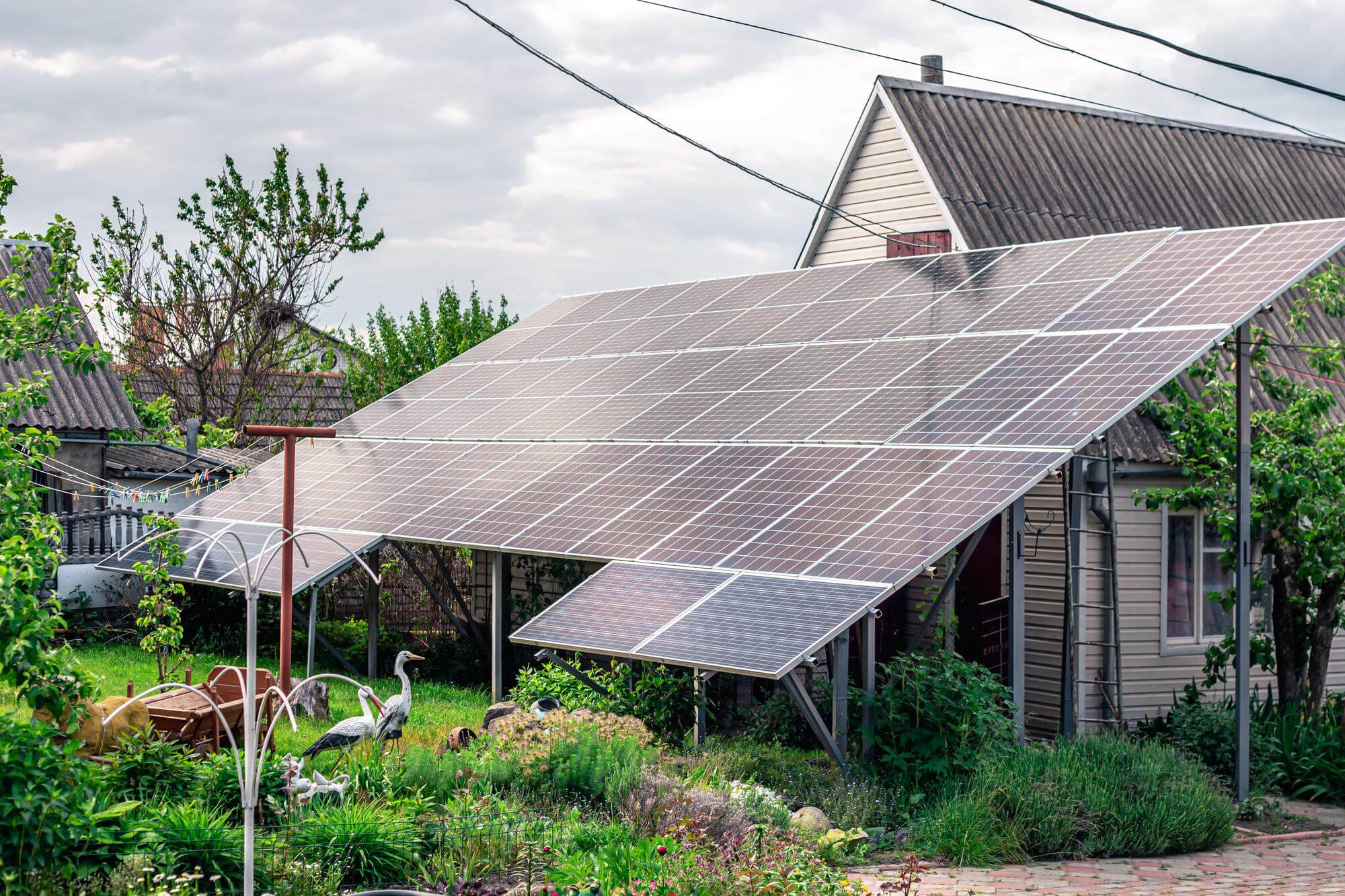
Solar PV remains one of the most widely adopted clean technologies — partly because of the strong rebate support in Victoria and Australia more broadly. Rebate programs help lower the cost of solar panel purchases and installation, making systems that once seemed expensive now far more affordable.
Solar rebates are typically applied at the point of sale by accredited installers, reducing the upfront cost of panels and inverters. Because solar generation directly offsets grid electricity use, pairing solar with other electric upgrades maximises the value of the rebate by delivering ongoing savings year after year.
When planning a solar system, it is important to choose the right size and component quality so the system supports future needs such as battery charging and powering heat pump devices.
Batteries: Storing Power and Rebates
Adding a battery to a solar system allows homeowners to store excess solar power for later use — especially during evening hours or peak demand times. Battery rebates often operate alongside solar rebates, and in Victoria these incentives can significantly reduce the net installation cost.
Many rebate programs for batteries require that the system be installed by accredited providers and meet specific safety and performance standards. Homeowners can often claim a rebate for solar and another for batteries, effectively lowering the combined cost of both systems.
Furthermore, some programs offer additional rebates when batteries are installed as part of a whole home electrification plan, recognising the broader benefits of integrated clean energy solutions.
Heat Pump Rebates: Efficient Hot Water for Less
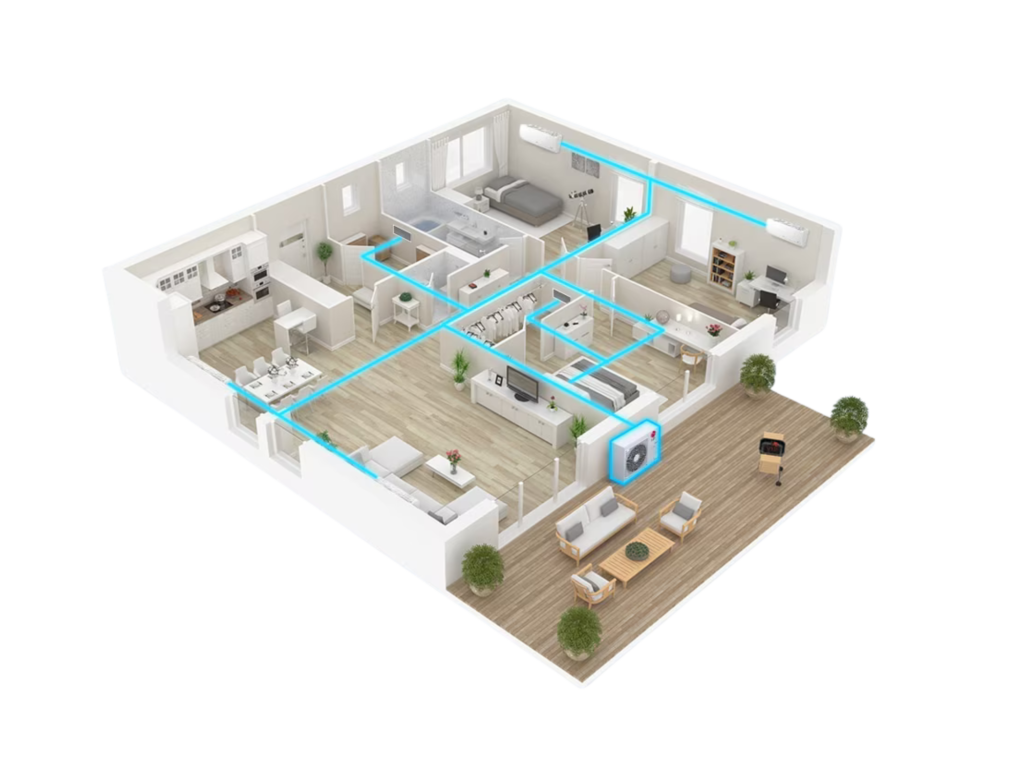
Heat pump hot water systems are among the most energy-efficient electric appliances available today. They use heat from the air to warm water with much lower energy input than traditional electric or gas systems. This efficiency has made them a priority for rebate support under both federal and state schemes.
In Victoria, programs such as the Victorian Energy Upgrades provide rebates for replacing old, inefficient hot water systems with heat pump alternatives. When combined with solar and battery incentives, homes can achieve substantial cost reductions for hot water upgrades — often receiving a rebate on the system itself as well as benefit from lower ongoing energy costs due to solar and battery use.
Combining Rebates Without Losing Eligibility
Stacking rebates is about timing, documentation, and installer accreditation. A few practical tips help ensure you maximise savings without accidentally invalidating rebates:
Always work with accredited installers who are registered with the relevant rebate programs. Accredited providers know the rules, paperwork, and sequence of actions needed to claim rebates on your behalf.
Start with pre-approval or verification where required by the rebate program. Some electric rebates need approval before installation begins, so skipping this step can disqualify the system from support.
Install systems in the right order when required. For example, if a rebate program requires a combined solar + battery installation for enhanced benefits, scheduling panels and battery installation in the same project can capture both incentives cleanly.
Keep copies of all documentation, including product models, installer details, and compliance certificates. Rebates often require evidence of eligibility, and documentation helps both you and your installer navigate this process smoothly.
How Rebates Affect Long-Term Value
Combining rebates reduces your upfront costs, but the true value comes from the long-term savings these technologies deliver. Solar reduces daytime electricity purchases, batteries store excess energy for later use, and heat pump systems lower the cost of hot water — often one of the largest energy uses in a household.
When rebates are applied strategically, many Melbourne homeowners find they can achieve a return on investment in just a few years. After that point, ongoing savings continue to accrue, amplifying the financial benefits of electrification.
Final Thoughts on Smart Rebate Strategy
Smart rebate stacking requires intentional planning, clear understanding of requirements, and collaboration with experienced installers. When approached correctly, combining solar, battery, and heat pump rebates can dramatically reduce your cost of going electric and unlock long-term savings that continue for decades.
For homeowners in Victoria, leveraging both federal and state incentives ensures that the transition to clean, efficient technology is affordable and rewarding. By thinking about electrification holistically — rather than as separate upgrades — you maximise your rebate support and build a resilient, energy-efficient home.
Make the Most of Every Rebate with Zero Energy Group
At Zero Energy Group, we help Melbourne homeowners combine solar, battery, and heat pump rebates the smart way. Our accredited team handles the planning, paperwork, and installation so you get maximum savings with zero stress.
📞 Speak to Zero Energy Group today and unlock your full rebate potential.