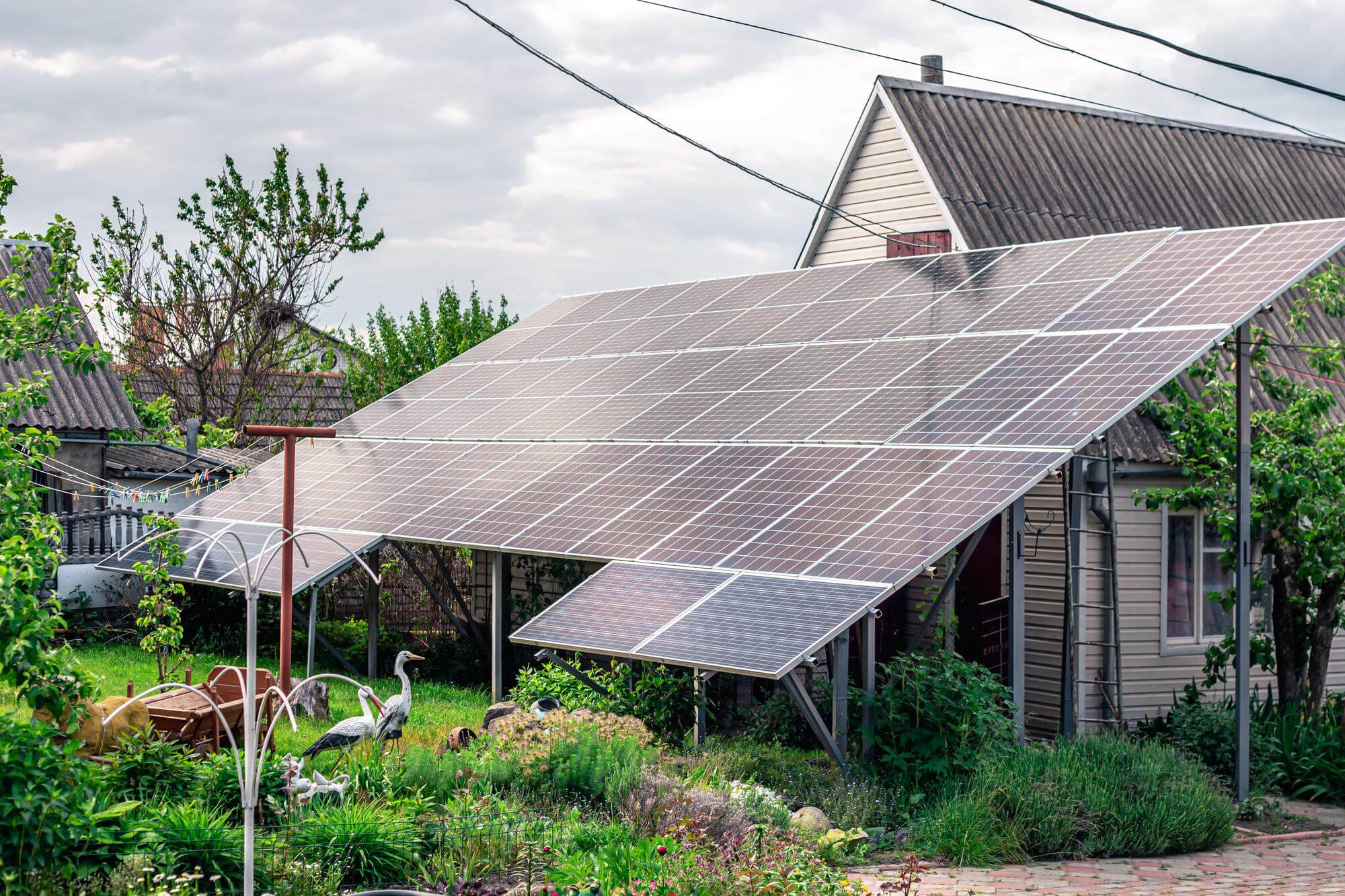
Many homeowners in Victoria and across Australia are looking to achieve zero energy bills by combining solar panels with home battery storage. By generating your own electricity and storing excess energy for use when the sun isn’t shining, you can drastically reduce, or even eliminate, your electricity costs. This guide explains how to combine solar and battery systems effectively, real-world examples, and tips to maximise energy independence.
Understanding Solar and Battery Systems
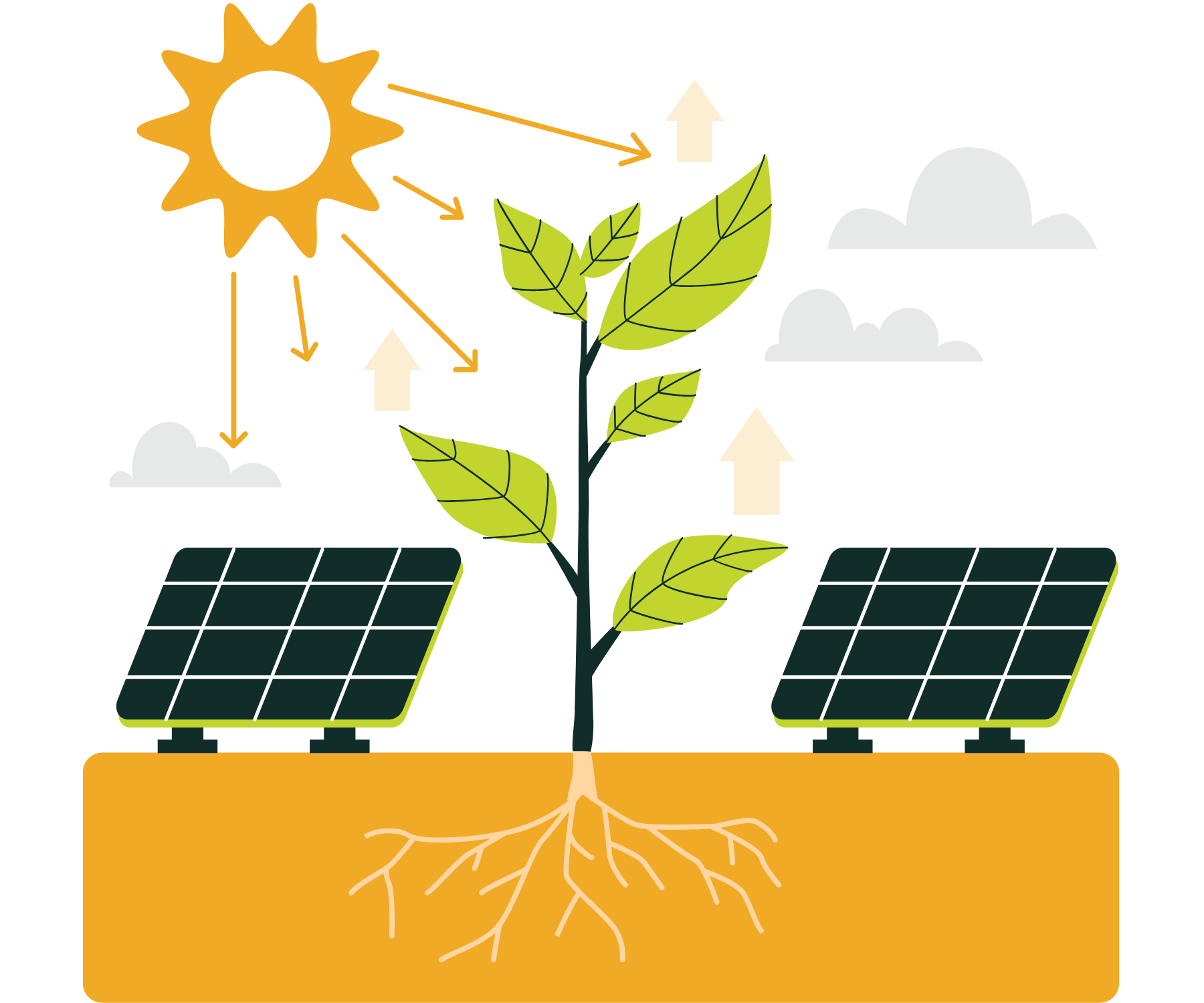
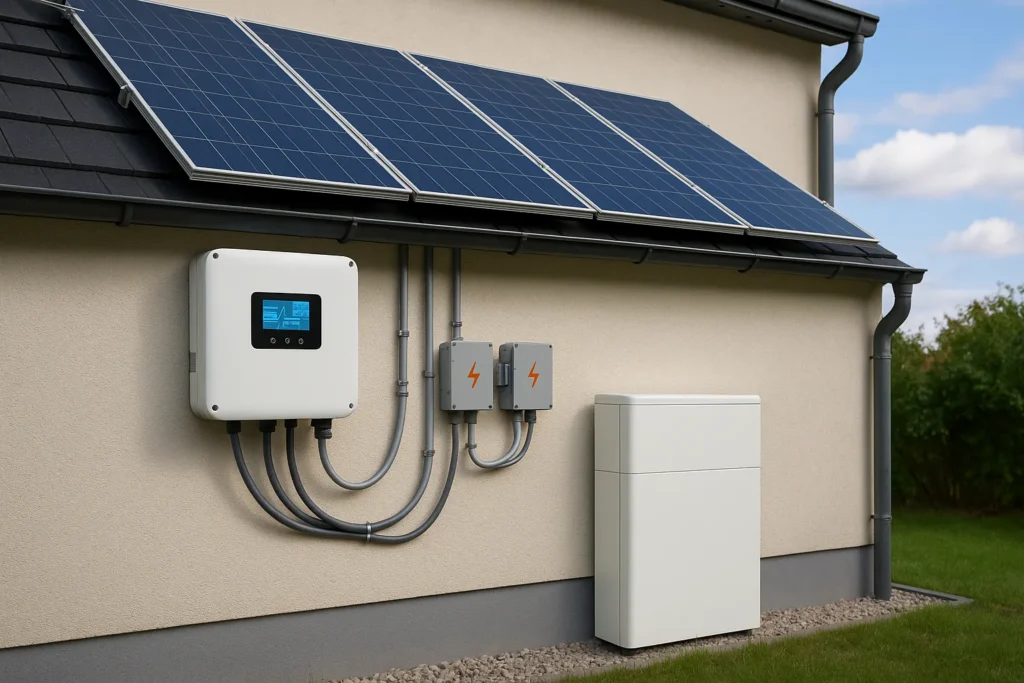
A solar power system converts sunlight into electricity using photovoltaic (PV) panels. During the day, your home uses electricity directly from the solar panels to power appliances, lights, and other devices. Any excess energy not used immediately can either be sent back to the grid or stored in a home battery system.
Batteries store electricity for later use, such as during the evening or on cloudy days. By storing excess solar energy, homeowners can rely less on the grid and even avoid paying peak electricity rates, which are typically higher in the evening when demand is highest. Systems like a 10 kWh or 13.5 kWh home battery can cover a household’s evening energy needs, depending on consumption patterns.
Why Combining Solar with Batteries Works
Solar panels alone reduce electricity bills during daylight hours, but most households consume energy in the evening. Without a battery, excess solar energy sent to the grid may only receive a small feed-in tariff, reducing potential savings.
When combined with a battery, excess solar energy generated during the day is stored for later use. For example, a home generating 20 kWh of solar energy in a day might use 12 kWh during the day and store 8 kWh in a battery for evening consumption. This allows homeowners to rely almost entirely on self-generated electricity and minimise grid dependence.
Real Victorian Home Examples
In Melbourne and regional Victoria, homeowners with 6–8 kW solar systems and a 10–13 kWh battery report reducing their electricity bills by 80–100%. One family with a 6.6 kW solar system and a 10 kWh battery can power evening lighting, TV, fridges, and air-conditioning entirely from solar-charged battery energy.
Another household with higher energy consumption added a 13.5 kWh battery, which allows them to power their entire home overnight without drawing from the grid. Both examples show that properly sized solar and battery systems can bring electricity costs close to zero while increasing energy independence.
Tips for Maximising Zero Energy Bills
Right-size Your Solar System: Ensure your solar panels generate enough energy to cover daily consumption and charge the battery fully.
Choose the Appropriate Battery: A 10 kWh battery is suitable for moderate energy use, while larger households may need 13.5 kWh or more.
Monitor Energy Usage: Use smart apps and energy monitoring to optimise solar consumption, reducing unnecessary grid use.
Install Efficient Appliances: Energy-efficient lighting, heating, and cooling systems reduce overall demand and maximise the use of self-generated electricity.
Consider Time-of-Use Tariffs: Align battery use with peak electricity pricing to reduce costs even further.
Maintenance and Longevity
Regular maintenance ensures your solar panels and battery operate efficiently for years. Cleaning panels, monitoring battery health, and checking inverter performance are critical. Most modern batteries have warranties of 10 years and can maintain high efficiency with proper care.
Make Your Home Energy Independent with Zero Energy
Zero Energy helps Victorian homeowners design and install solar and battery systems tailored to their energy needs. Whether you are aiming to cut electricity bills, achieve energy independence, or add backup power, our team provides expert guidance and professional installation.