As more Victorian homeowners invest in solar power, the question of battery storage has become central: “Is a 10 kWh battery enough for my home?” While a 10 kWh battery is one of the most popular sizes for residential use, whether it meets your needs depends on your energy habits, household size, and appliance usage. In this blog, we explore real-life examples from Victorian homes, practical insights, and tips for deciding if a 10 kWh battery is right for you.
Understanding What 10 kWh Means
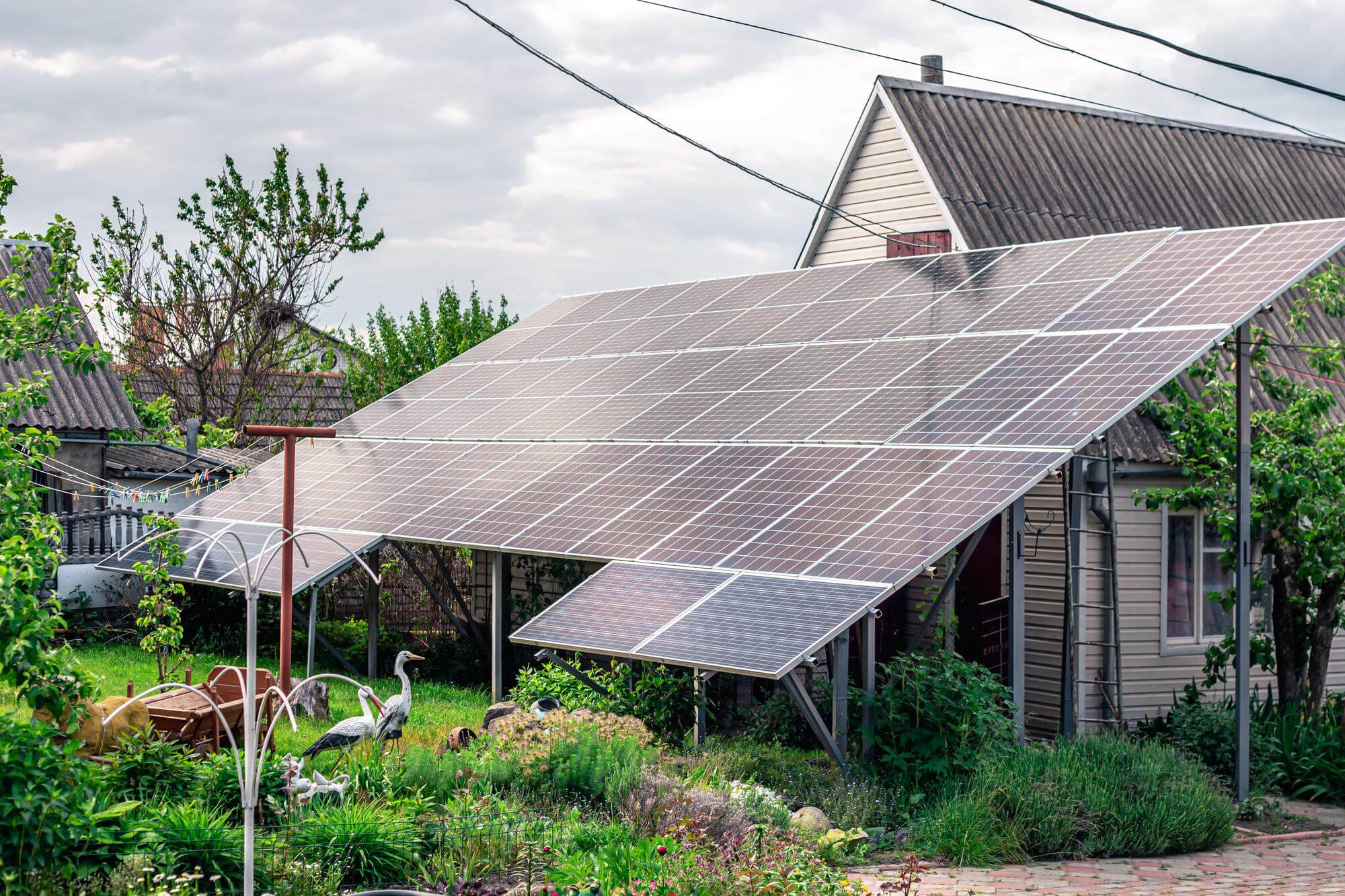
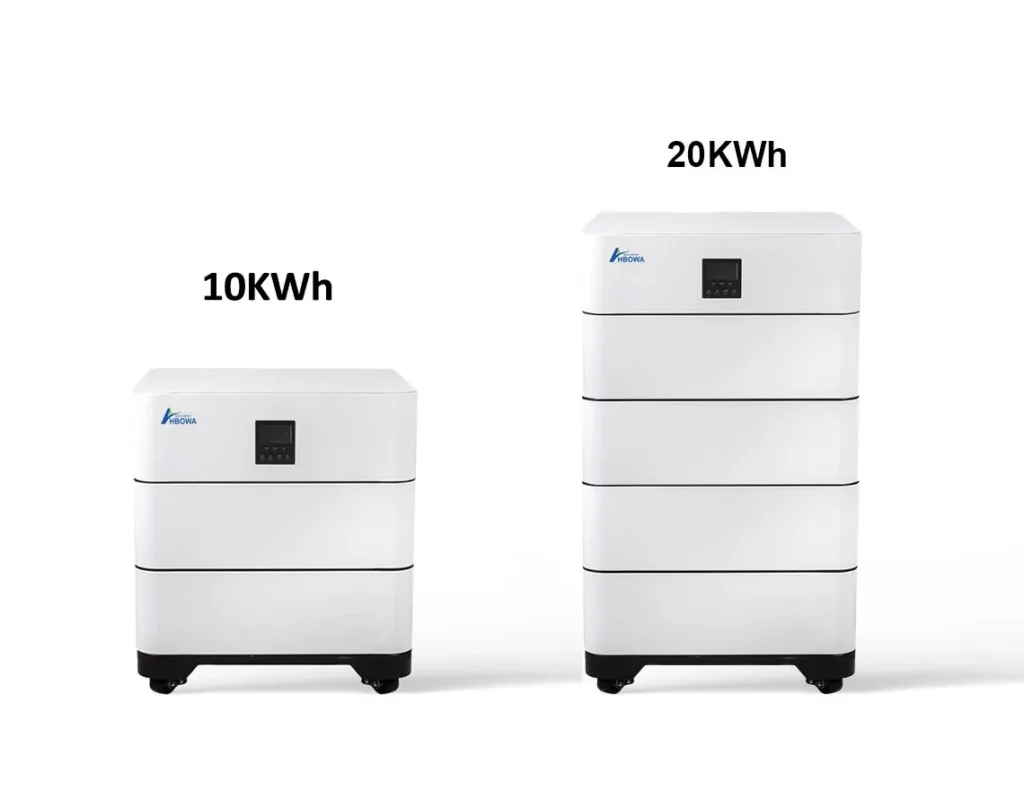
A 10 kWh battery can store 10 kilowatt-hours of electricity, enough to power essential appliances and lighting for several hours. In practical terms, this may cover evening usage, including fridges, TVs, lighting, and moderate air-conditioning or heating. Many Melbourne homes paired with a typical 6.6 kW solar system can charge a 10 kWh battery during the day and use it to reduce grid reliance at night.
However, it’s important to remember that not all of the 10 kWh is fully usable. Batteries reserve a small buffer to protect performance and prolong lifespan, meaning the effective usable energy may be slightly lower.
Real Examples from Victorian Homes
In suburban Melbourne, families with moderate energy use often report that a 10 kWh battery covers most of their evening energy needs. One household, with daily energy use around 15 kWh, found their battery sufficient for evening lighting, entertainment, and refrigerator operation, while their solar panels topped up the battery for partial grid independence.
For homes with higher energy demands, such as multiple air conditioners running at night or electric vehicle charging, a single 10 kWh battery may not meet all needs. In these cases, households either supplement with additional batteries or maintain partial grid reliance during peak hours. Many homeowners find that 10–15 kWh offers the ideal balance of cost, storage, and energy independence.
Backup Power Considerations
A 10 kWh battery also provides backup power during blackouts, keeping essential circuits running. This includes lighting, refrigeration, and Wi-Fi. While it may not fully support heavy loads like reverse-cycle air conditioners for extended periods, it offers peace of mind for most everyday outages. Homes requiring near-total backup might consider larger batteries or modular systems that can expand over time.
Cost and Incentives in Victoria
Installing a 10 kWh battery in Victoria typically costs $8,500–$12,000, depending on the brand and installation complexity. Rebates and incentives may reduce upfront costs. Federal and state programs often encourage battery storage adoption, improving the overall return on investment. Many Victorian households recover costs within 5–8 years, while significantly lowering their reliance on grid electricity.
Is a 10 kWh Battery Right for You?
For most Victorian homes with moderate energy consumption, a 10 kWh battery is sufficient to cover evening usage, provide useful backup, and enhance solar self-consumption. If your household uses high amounts of electricity in the evenings, or you aim for near-total grid independence, larger batteries or expandable systems may be more suitable.
Ultimately, pairing a 10 kWh battery with solar panels, smart energy management, and efficient appliances maximizes benefits and reduces energy costs.
Make Your Home Smarter with Zero Energy
Zero Energy helps Victorian homeowners choose, install, and maintain solar battery systems that match their energy needs. Whether you are looking to maximize your solar self-consumption, reduce grid reliance, or add backup power, our team provides expert advice and reliable installation.