Across Victoria, the way households heat water is undergoing a noticeable transformation. Gas systems that were once standard in Australian homes are gradually being replaced by electric hot water heat pumps. This change is driven by shifting energy policies, rising awareness around sustainability, and a growing demand for smarter, more efficient home systems. For many Victorian homeowners, the move to electric hot water is no longer a future idea but a present-day decision.
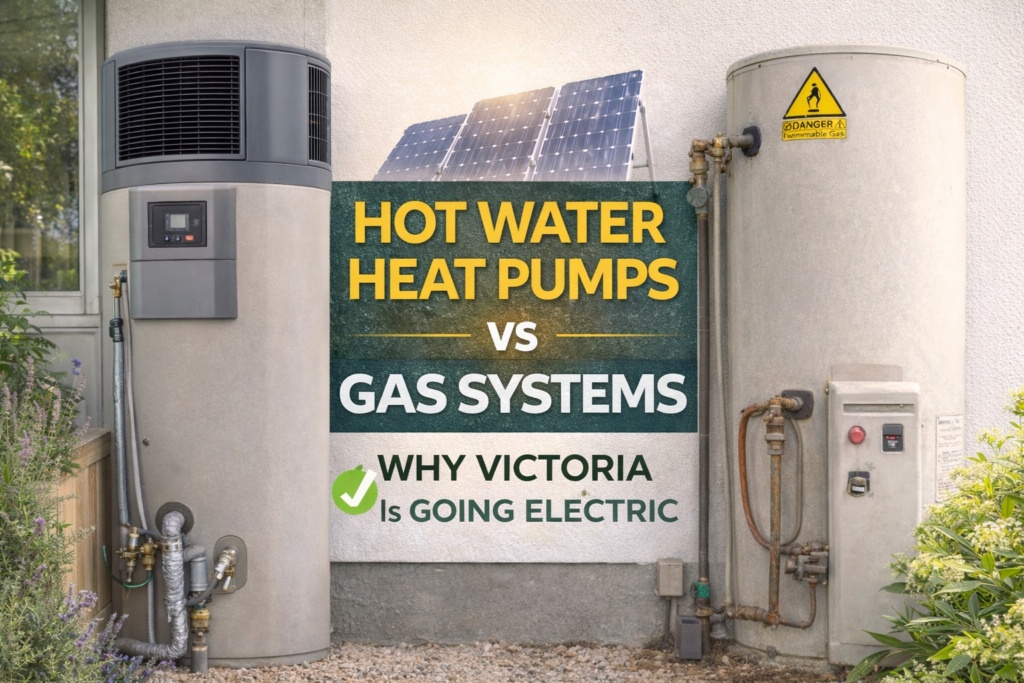
Heat pump and gas systems serve the same purpose, yet their operating principles are fundamentally different. Gas hot water systems generate heat through combustion, which requires a continuous gas supply and proper ventilation. Heat pumps use a more advanced approach by drawing warmth from the surrounding air and transferring it into stored water using electricity. This process allows them to deliver reliable hot water without burning fuel.
A Shift Toward Smarter Energy Use
Efficiency has become a key factor influencing household upgrades. Gas systems naturally lose energy during the heating process, particularly through exhaust and heat dissipation. Heat pumps are designed to minimise these losses by moving heat rather than creating it. This results in a system that aligns better with modern energy expectations, especially in homes aiming to reduce unnecessary consumption.
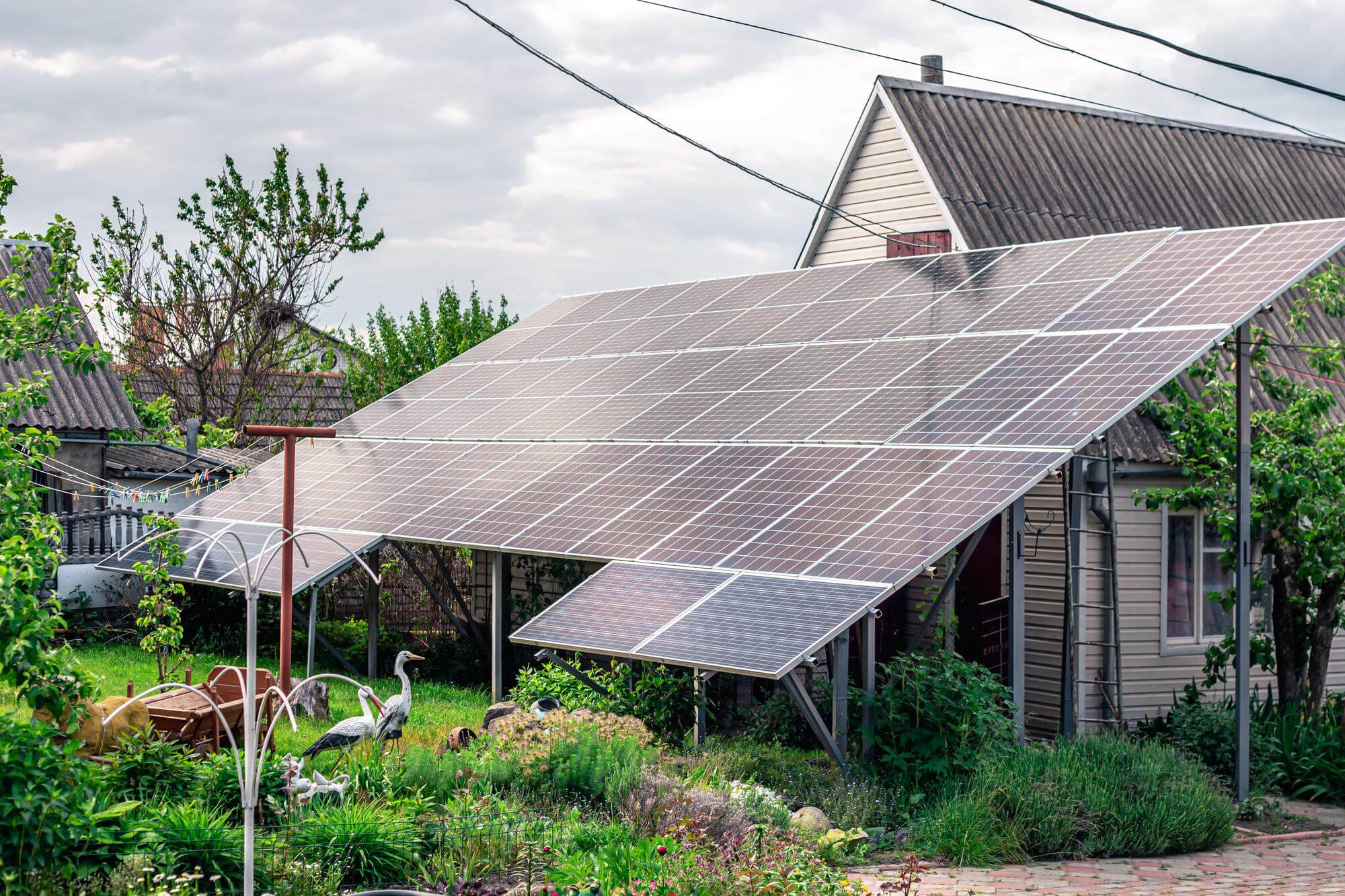
The transition also reflects a broader change in how Victorians think about everyday energy use. Instead of relying on systems that operate independently from the rest of the home, more households are choosing technologies that integrate smoothly with solar power and other electric appliances. Heat pumps fit seamlessly into this evolving energy ecosystem.
Environmental Responsibility and Future Planning
Environmental impact plays a growing role in home upgrade decisions. Gas hot water systems emit greenhouse gases whenever they operate, contributing to household emissions over time. Heat pumps use electricity, which increasingly comes from renewable sources across Victoria. This makes them a more sustainable option for homeowners looking to reduce their environmental footprint without compromising comfort.
Choosing an electric system is also a way to prepare for the future. As Victoria continues its transition away from fossil fuels, homes that rely less on gas are better positioned for upcoming regulatory and infrastructure changes. Heat pump hot water systems support this long-term shift while offering immediate practical benefits.
Safety, Maintenance, and Everyday Reliability
Safety is another important consideration when comparing hot water systems. Gas appliances require careful installation, regular servicing, and proper ventilation to operate safely. Heat pumps eliminate combustion entirely, reducing the risks associated with gas leaks or carbon monoxide exposure. While professional installation remains essential, electric systems generally involve fewer safety concerns over their lifespan.
From a maintenance perspective, heat pumps are built for long-term reliability. With fewer combustion-related components, they tend to experience less wear in critical areas. This makes them appealing to homeowners who prefer low-stress ownership and predictable performance throughout the year.
Designed for Victorian Climate Conditions
A common concern is whether heat pumps perform well in Victoria’s variable climate. Modern systems are specifically engineered to operate efficiently in cooler temperatures, making them well suited to Melbourne and regional areas alike. Even during colder months, they continue to extract ambient heat from the air and maintain consistent hot water availability.
This reliability has helped build confidence among homeowners who once assumed gas was the only dependable option. Today’s heat pump technology proves that electric hot water can meet daily household demands across all seasons.
Government Support and the Electric Transition
Victoria’s push toward electrification is supported by strong government initiatives. Rebates and incentives encourage homeowners to replace gas systems with efficient electric alternatives. These programs are part of a broader strategy to reduce reliance on fossil fuels and modernise residential energy infrastructure across the state.
For many households, these incentives make the switch to a heat pump not only environmentally responsible but also financially sensible. Combined with lower ongoing energy usage, the long-term value of electric hot water systems becomes increasingly clear.
Why More Homes Are Choosing Heat Pumps
As more Victorian homes adopt solar panels and energy-efficient appliances, heat pumps naturally complement this shift. They allow households to use clean, self-generated electricity to meet one of their most essential daily needs. Over time, this supports greater energy independence and a more resilient home energy setup.
The move away from gas hot water systems reflects a larger change in how Victorians power their homes. Heating, cooling, cooking, and transport are all becoming electric, and hot water is a key part of that transition. Heat pumps are no longer viewed as an alternative option but as a forward-thinking standard.
For homeowners considering an upgrade, the choice between gas and heat pump systems is becoming clearer. With strong performance in local conditions, improved safety, and alignment with Victoria’s clean energy future, electric hot water heat pumps represent a practical and future-ready solution for modern homes.