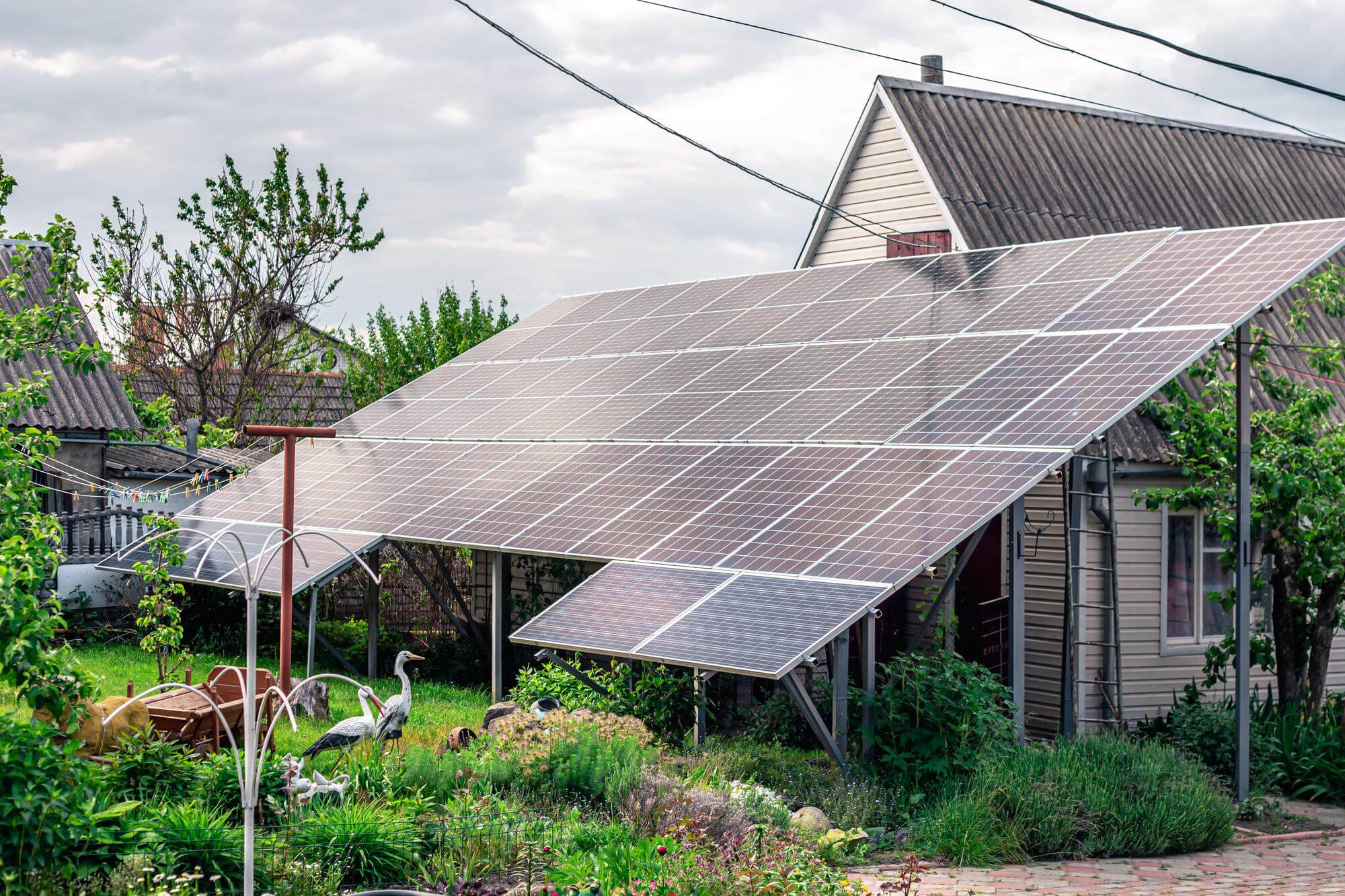
Determining the right battery size for a Melbourne home in 2026 is about balancing daily electricity usage, solar production, blackout protection and financial payback — especially with federal battery rebates now well established.
Most Melbourne households find that 10–20 kWh delivers strong bill savings and basic backup. However, the ideal size depends on your household consumption, electricity tariff, solar system size and future electrification plans.
This guide walks you through a simple step-by-step process to calculate the right battery size for your home in 2026.
Melbourne’s Energy Landscape in 2026
Melbourne’s cool, cloudy winters and time-of-use electricity pricing make battery sizing very different from sunnier Australian cities.
High evening electricity prices combined with low solar feed-in tariffs mean batteries are increasingly valuable for self-consumption and peak load shifting.
Key factors affecting battery needs in Melbourne:
• Winter solar production drops 60–70% compared to summer
• Reverse-cycle heating significantly increases evening usage
• Peak tariffs (5pm–9pm) maximise battery savings
• Federal battery rebates in 2026 reduce upfront cost by around 30%
Step 1: Calculate Your Daily Energy Consumption
Start by reviewing 12 months of electricity bills to understand your real usage patterns.
Typical Melbourne household usage in 2026:
• 1–2 people (apartment): 10–15 kWh per day
• 3–4 person family home: 18–25 kWh per day
• Large family with EV: 25–40 kWh per day
• Fully electric homes: 35–50+ kWh per day
Most important number to note:
Evening and overnight usage (5pm–9am)
This is the energy your battery will primarily cover.
How to find your numbers:
• Download bills from your retailer app (AGL, Origin, EnergyAustralia)
• Check how much power you use during peak hours
• Expect winter usage to be 30–50% higher than summer
Step 2: Assess Your Solar System Production
Your battery must be able to charge reliably from your solar system, even during Melbourne winters.
General solar-to-battery sizing guide:
• 6.6 kW solar → 8–13 kWh battery
• 10 kW solar → 13–20 kWh battery
• 13 kW+ solar → 20–27 kWh battery
Simple rule:
Battery size should be about 1.2–1.5 times your average daily solar production
Important Melbourne considerations:
• Winter solar output can drop to 12–18 kWh per day on a 6.6 kW system
• Export limits (often capped at 5 kW) increase battery value
• East–west roofs may require slightly larger batteries
Step 3: Decide Your Backup Power Needs
Batteries are used for both bill savings and blackout protection. Backup requirements strongly influence sizing.
Essential Circuits Backup (10–15 kWh)
Typically powers during short outages:
• Fridge and freezer
• Lights
• Wi-Fi and modem
• Phone charging
• Medical equipment
• A few power points
Expected backup time:
8 to 24+ hours depending on usage
Whole-Home Backup (20–30+ kWh)
Supports larger loads such as:
• Air conditioning
• Hot water cycling
• Washing machine
• Multiple appliances
Expected backup time:
4 to 12 hours with careful usage
Example Backup Calculation
Typical essential load:
• Fridge: 150 W
• Lighting: 100 W
• Wi-Fi and phones: 70 W
• Medical device: 50 W
Total continuous load: 370 W
A 10 kWh battery can power this load for approximately 27 hours.
Step 4: Understand Tariffs and Payback in Victoria (2026)
Victoria’s time-of-use pricing makes batteries highly effective.
Typical 2026 electricity rates:
• Peak (5pm–9pm): around 58 cents per kWh
• Off-peak: around 16 cents per kWh
• Solar feed-in tariff: around 5 cents per kWh
Battery savings come from avoiding peak electricity:
Approximate saving: 42 cents per kWh
Example:
13 kWh used in the evening
Daily saving ≈ $5.46
Annual saving ≈ $2,000+
Typical Payback Periods After Rebates
• 10 kWh battery: 3–4 years
• 13.5 kWh battery: 3–4 years
• 20 kWh battery: 3.5–4.5 years
• 27+ kWh battery: 4–5 years
Federal rebates in 2026 make larger batteries far more economical than in previous years.
Step 5: Future-Proofing for EVs and Electrification
Electric vehicles and all-electric homes dramatically increase battery requirements.
EV charging impact (average daily driving):
• Tesla Model Y: ~6.5 kWh per day
• BYD Seal: ~7 kWh per day
• MG4: ~7.5 kWh per day
Rule of thumb:
Add 7–10 kWh of battery capacity per EV
Electrification Load Increases
• Induction cooking: +2–3 kWh per day
• Heat pump hot water: +5–8 kWh per day
• Reverse-cycle heating (winter): +10–20 kWh per day
Fully electrifying a home can add 20–35 kWh of daily demand.
Quick Battery Size Formula (Melbourne 2026)
Optimal battery size =
(Evening electricity usage × 1.2) + backup reserve
Examples:
• Small family: around 17 kWh
• Average family home: around 27 kWh
• EV + all-electric home: 40+ kWh
Recommended Battery Sizes for Melbourne Homes
For bill savings only:
10–13 kWh
For savings + reliable backup:
15–20 kWh
For EV-ready and future-proof homes:
25–40 kWh
Popular brands in 2026 include Tesla Powerwall, BYD Battery-Box and AlphaESS modular systems.
Common Battery Sizing Mistakes to Avoid
• Choosing batteries too small for winter
• Ignoring peak electricity pricing
• Overspending purely for rare outages
• Forgetting EVs and electrification
• Choosing non-expandable battery systems
Final Recommendation for Melbourne Homes (2026)
The best battery size is determined by:
• Your actual evening electricity usage
• Your solar system’s winter output
• Your backup power priorities
• Your future EV and electrification plans
Getting this right ensures maximum savings, strong backup performance and fast payback.
Next Step
• Correct battery size
• Estimated annual savings
• Backup runtime
• 2026 rebate eligibility