Ducted air conditioning (ducted AC) is a popular choice for Australian homes and businesses seeking whole-property climate control. But like any AC system type, it comes with unique advantages and drawbacks. In this guide, Zero Energy breaks down the pros and cons of ducted AC, helping you decide if it aligns with your energy efficiency and comfort goals.
What Is Ducted Air Conditioning?
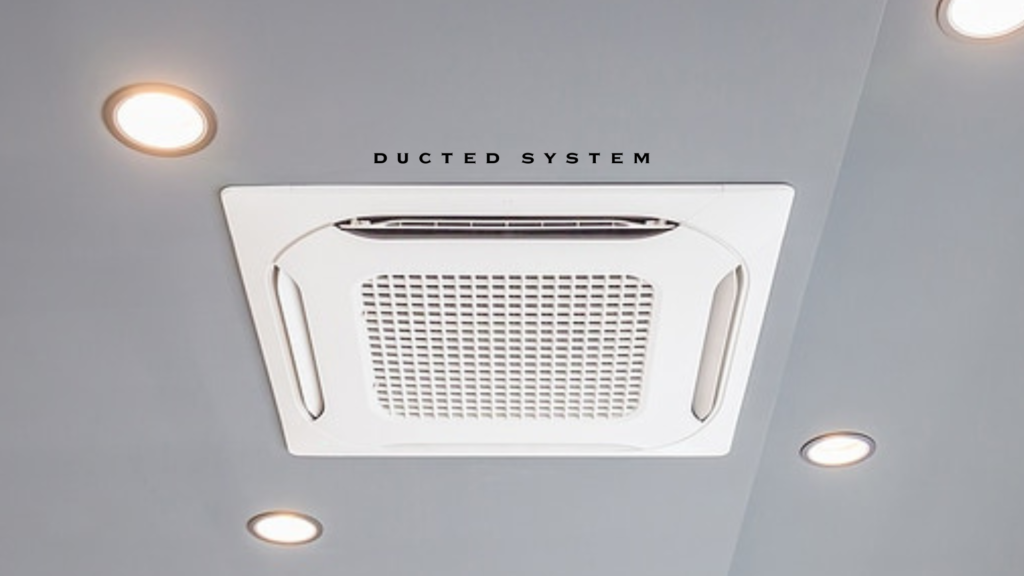
Ducted AC systems use a centralised unit connected to a network of ducts installed in ceilings or under floors. These ducts distribute cooled or heated air to multiple rooms via vents, offering a seamless, discreet solution for large spaces. Let’s explore its benefits and limitations.
Pros of Ducted Air Conditioning
1. Whole-Home Comfort
Ducted systems provide uniform temperature control across entire buildings. Unlike split systems that cool individual rooms, ducted AC ensures every corner stays comfortable—ideal for open-plan homes or multi-room offices.
2. Energy Efficiency (When Optimised)
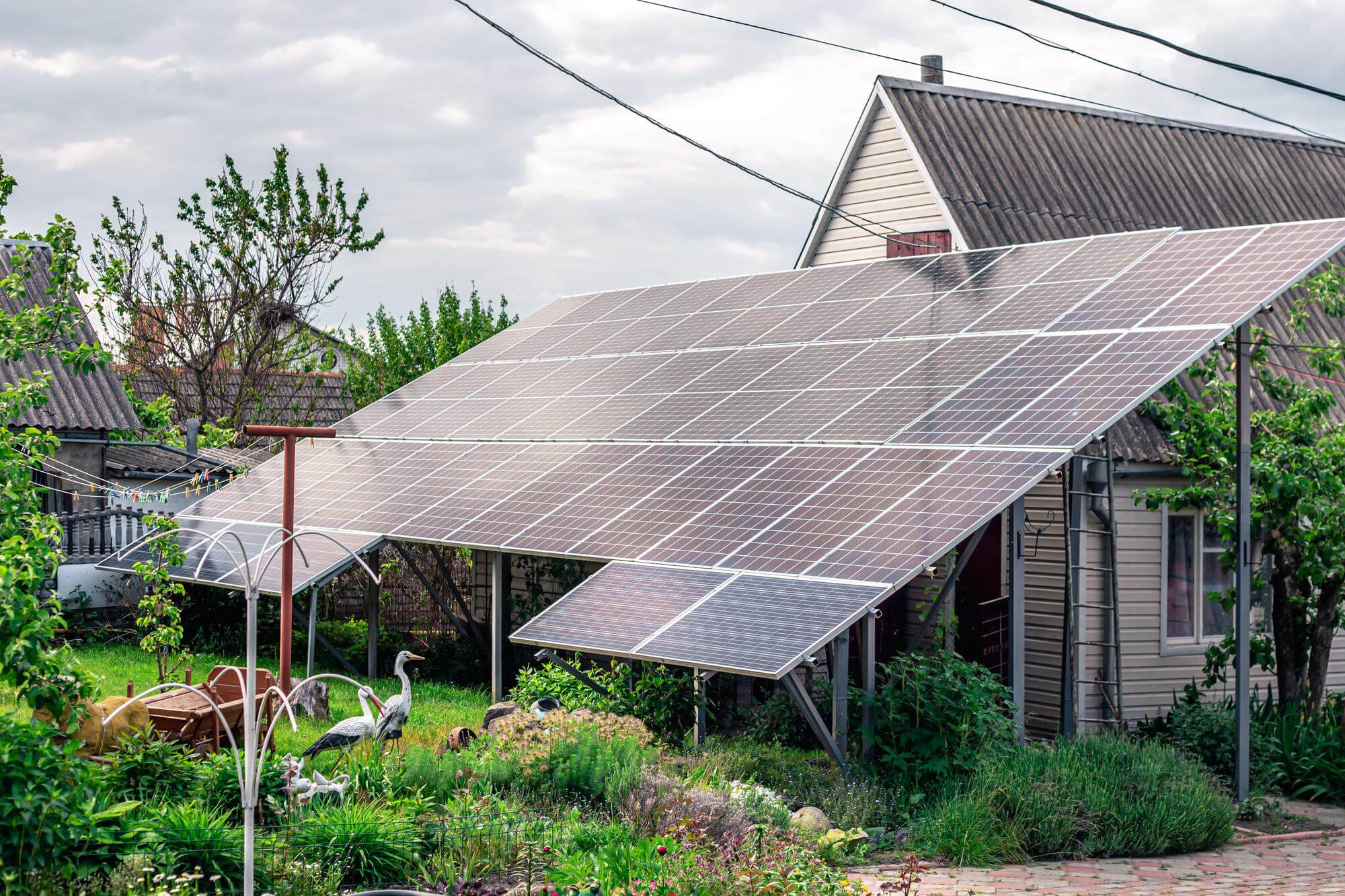
Modern ducted AC systems with inverter technology adjust cooling/heating output based on demand, reducing energy waste. Pairing them with solar panels or energy-efficient zoning (more below) can further cut power bills.
At Zero Energy, we install high-efficiency ducted systems tailored to your property’s size and insulation, ensuring optimal performance.
3. Discreet Aesthetics
All components (except vents) are hidden, preserving your interior or exterior design. This makes ducted AC a favourite for minimalist homes or heritage properties.
4. Zoning Capabilities
Advanced systems let you create customised zones (e.g., living areas by day, bedrooms by night). This avoids cooling unused spaces, saving energy and money.
5. Increased Property Value
Ducted AC is a premium feature that boosts resale appeal, especially in Australia’s climate.
Cons of Ducted Air Conditioning
1. Higher Upfront Costs
Ducted systems cost more to install than split or window units due to ductwork and labour. Prices start around
8,000–
8,000–15,000+, depending on property size.
2. Complex Installation
Retrofitting ducts into existing buildings may require ceiling modifications. This isn’t ideal for older homes with limited space.
Tip: Zero Energy offers hassle-free assessments to determine if your property is ducted AC-ready.
3. Maintenance Demands
Ducts need regular cleaning to prevent dust buildup and maintain airflow. Filters should be replaced every 3–6 months.
4. Energy Use in Larger Homes
Without proper zoning, cooling unused rooms can spike energy bills. Solution: Opt for a smart zoning system or pair with solar power.
Ducted AC vs Other AC System Types
Wondering how ducted AC compares to alternatives? Here’s a quick breakdown:
- Split Systems: Cheaper upfront, but only cool individual rooms.
- Window Units: Affordable but noisy and inefficient for large spaces.
- Portable ACs: Flexible placement but high energy use.
For whole-home comfort and long-term savings, ducted AC often outperforms other AC system types—especially when paired with smart zoning.