Choosing the right solar system size is one of the most important decisions you’ll make when going solar. In Australia, especially in Melbourne and across Victoria, the most common comparison homeowners face is 6.6kW vs 10kW solar systems.
Bigger isn’t always better — and smaller isn’t always cheaper in the long run.
This blog explains the real-world differences, costs, savings, and best-use scenarios so you can confidently choose the right system for your home.
Understanding Solar System Sizes (In Simple Terms)
6.6kW system: Entry-to-mid-level system, ideal for average households
10kW system: High-capacity system, designed for higher energy usage
The “kW” rating refers to the maximum power the system can generate under ideal conditions, not what it produces all day.
6.6kW Solar System – Best for Most Homes
Who Should Choose a 6.6kW System?
A 6.6kW system is typically suitable if you:
Live in a 2–4 bedroom home
Have 2–4 people in the household
Use 20–25 kWh per day
Are home mainly in the evenings
Want faster payback with lower upfront cost
Average Performance in Melbourne
Daily generation: ~24–28 kWh
Annual generation: ~9,000–10,000 kWh
Typical Installed Price (After Rebates)
$3,000 – $4,500 (depending on panels, inverter, and roof)
Pros
Lower upfront cost
High STC rebate value
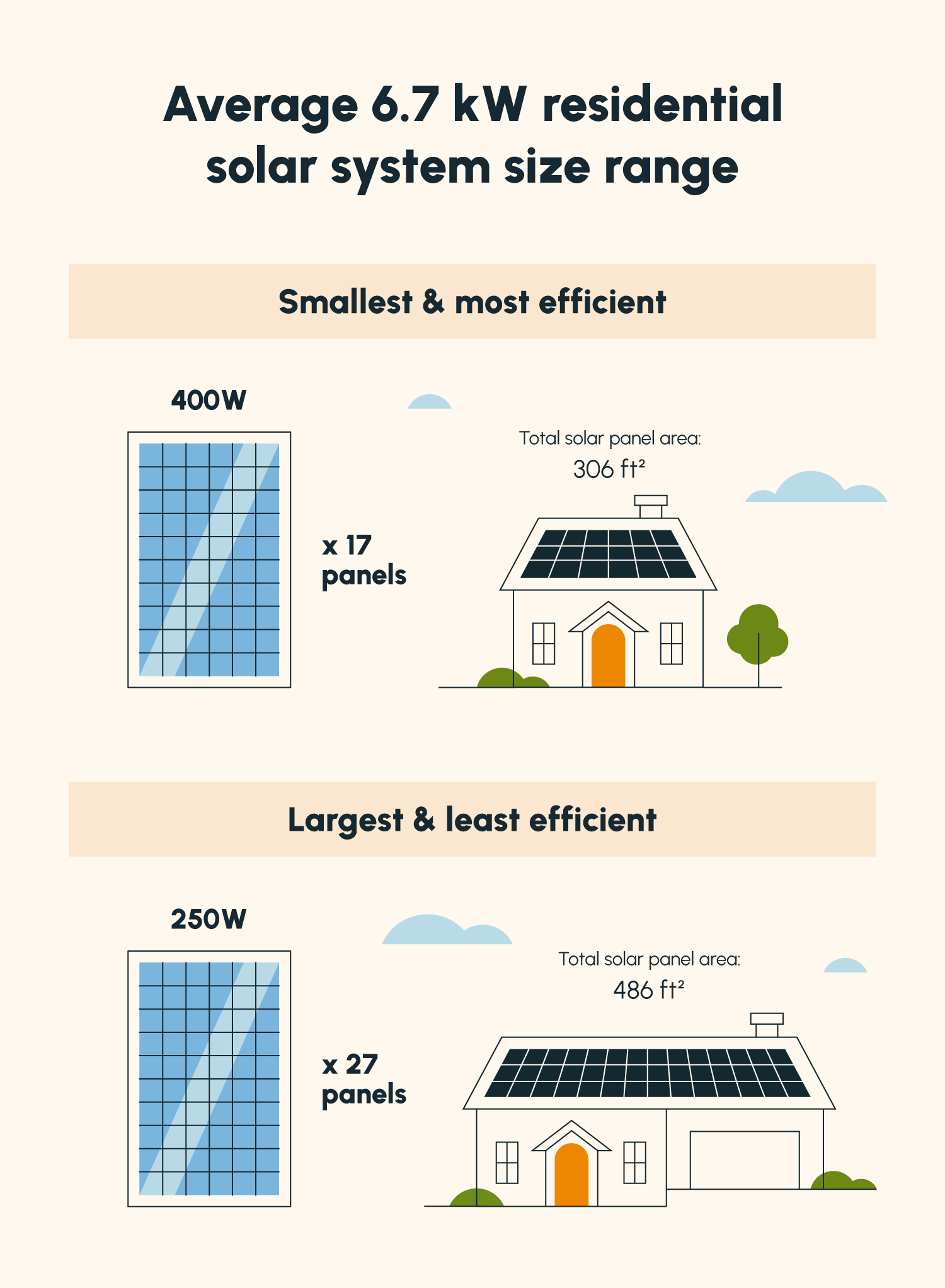
Fits most standard rooftops
Strong ROI for average energy use
Cons
May fall short if energy usage increases
Limited headroom for EVs, batteries, or electrification

10kW Solar System – Built for High Energy Homes
Who Should Choose a 10kW System?
A 10kW system makes sense if you:
Live in a large home (4–6 bedrooms)
Have 4+ occupants
Use 30–40+ kWh per day
Run air conditioning, heat pumps, or pool equipment
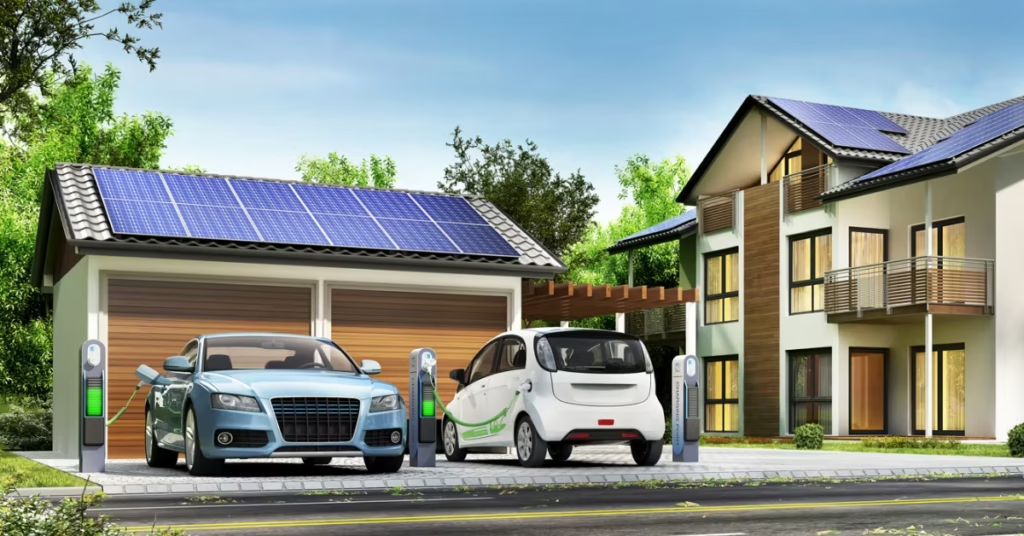
Own (or plan to buy) an electric vehicle
Want future-proofing
Average Performance in Melbourne
Daily generation: ~38–42 kWh
Annual generation: ~14,000–15,000 kWh
Typical Installed Price (After Rebates)
$5,500 – $7,500
Pros
Covers high daytime energy usage
Ideal for EV charging and electrification
Better long-term savings
Battery-ready
Cons
Higher upfront cost
Requires more roof space
Export limits may apply (unless managed correctly)
6.6kW vs 10kW – Side-by-Side Comparison
| Feature | 6.6kW System | 10kW System |
|---|---|---|
| Daily Output (Melbourne) | 24–28 kWh | 38–42 kWh |
| Household Size | Small–Medium | Medium–Large |
| Upfront Cost | Lower | Higher |
| EV Ready | Limited | Yes |
| Battery Friendly | Moderate | Excellent |
| Payback Speed | Fast | Medium |
| Future-Proofing | Average | Strong |
Feed-in Tariffs & Export Limits (Important)
In Victoria, most homes have export limits (often 5kW). This means:
A 6.6kW system usually exports efficiently
A 10kW system performs best when:
More power is used during the day
A battery or smart energy management is installed
If daytime usage is low, exporting excess power at low feed-in rates may reduce savings.
Which System Is Better for Savings?
Best Case Scenarios
6.6kW wins if:
You are budget-conscious
Your usage is moderate
You want quick ROI
10kW wins if:
You consume power during the day
You plan to electrify (EV, heat pump, battery)
You want long-term protection against rising electricity prices
Common Mistakes Homeowners Make
❌ Choosing a 10kW system “just in case”
❌ Installing 6.6kW without planning future energy needs
❌ Ignoring roof orientation and shading
❌ Not considering daytime usage patterns
Final Verdict – Which Solar Size Is Right for You?
There is no universal answer — but there is a right answer for your home.
6.6kW is ideal for most average households and delivers excellent value
10kW is ideal for growing families, high consumption, and future-focused homes
The best system is one that matches:
Your current usage
Your future plans
Your roof layout
Your budget