VICTORIA ENERGY UPDATE
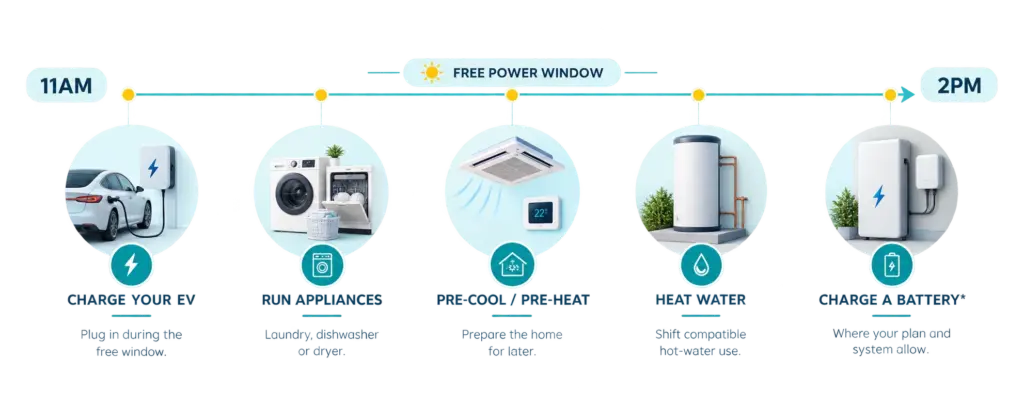
From 1 October 2026, eligible Victorian households can access a free electricity window from 11am–2pm through qualifying retailers. Some electricity retailers already offer free daytime electricity windows. See what this could mean for your home’s solar, battery or EV setup.
Victorian Midday Power Saver begins 1 October 2026. Eligibility, smart-meter and retailer conditions apply. Electricity outside the free period, supply charges and other plan terms still apply.
Why is power free?
Free or low-cost daytime electricity windows encourage households to shift suitable energy use into periods when solar generation is high.

Large amounts of rooftop and grid solar are generated around the middle of the day.

Some electricity offers encourage households to use energy during these high-solar periods.

Charge an EV, run appliances, heat water, or potentially store energy in a compatible battery for later.
YOUR HOME SETUP
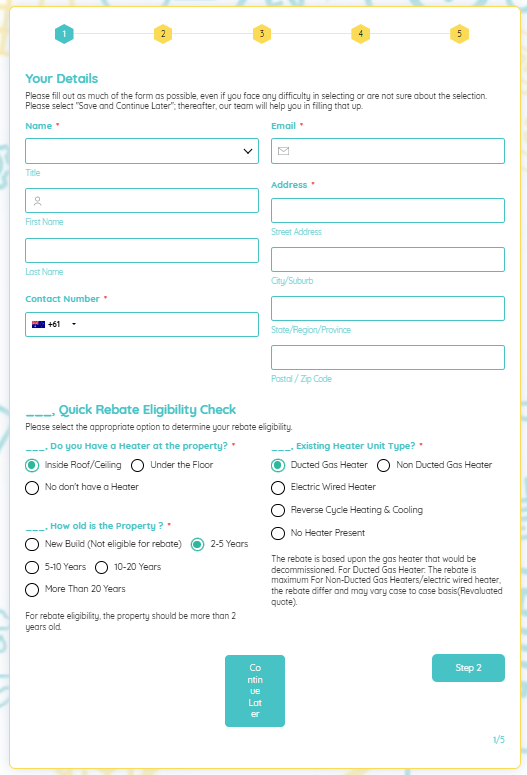
Answer two quick questions to see the most relevant next step for your home.
FREE POWER OPTIONS
Victoria’s Midday Power Saver starts from 1 October 2026 for eligible households, while some electricity retailers already offer free daytime electricity windows. Offers can differ in timing, eligibility and costs outside the free period.
Use the free window
The biggest benefit usually comes from shifting flexible energy use, not simply using more electricity because the window is free.
The battery question
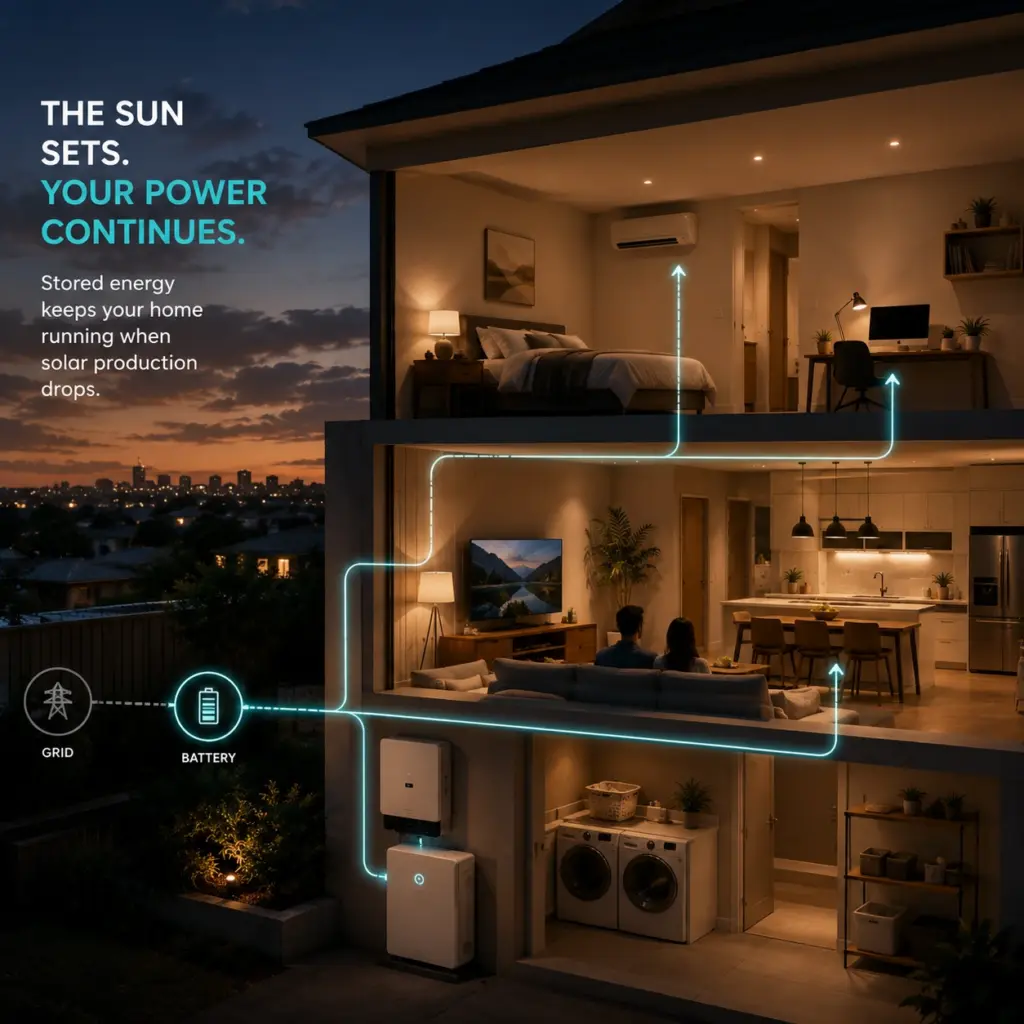
For homes with solar, the next question is how much electricity you still buy once solar production drops. A home battery can store energy for later use, but the right capacity depends on your solar system, household usage, goals and system compatibility.
Instant battery estimate
Takes about 60 seconds. Get an indicative battery range based on your home and energy use.
Indicative only. Final design, compatibility, incentives and pricing require verification.
Compare the right things
Two batteries with similar advertised capacity can perform very differently once usable storage, output, backup, compatibility, expandability and software are considered.

How much energy is actually available to use.

How much power the battery can deliver at once.

What can continue operating during an outage.

How well it works with your existing solar and inverter.
Whether extra storage can be added later.

Monitoring, scheduling and energy management.

SYSTEM OPTIONS
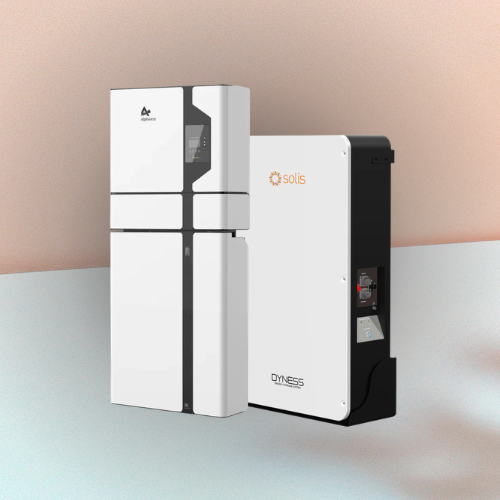
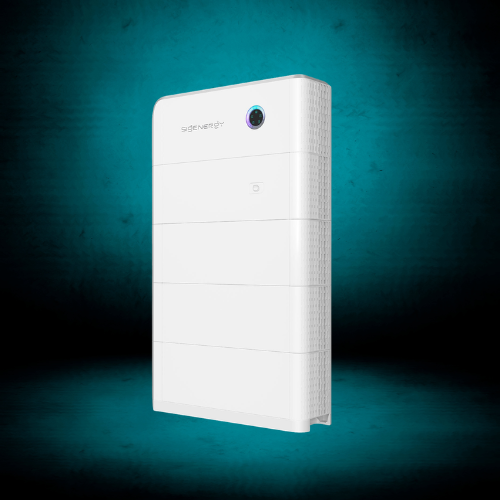
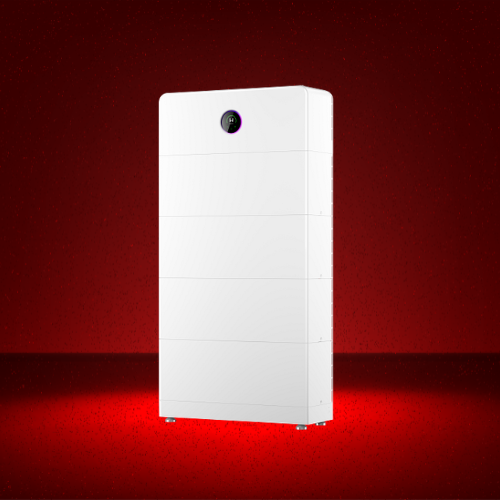
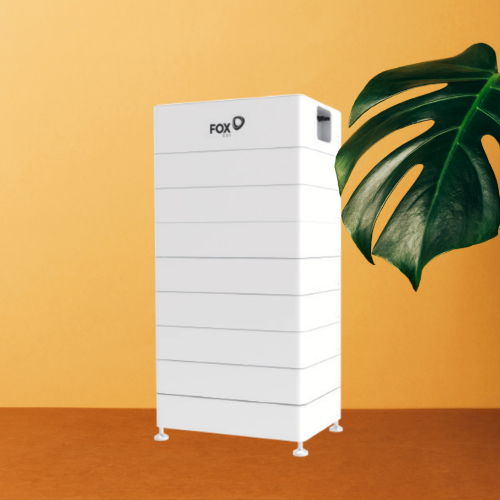
The right battery depends on your home, existing solar system, energy use and future plans. We compare suitable options based on compatibility, performance and installed requirements.
PROVEN IN REAL HOMES
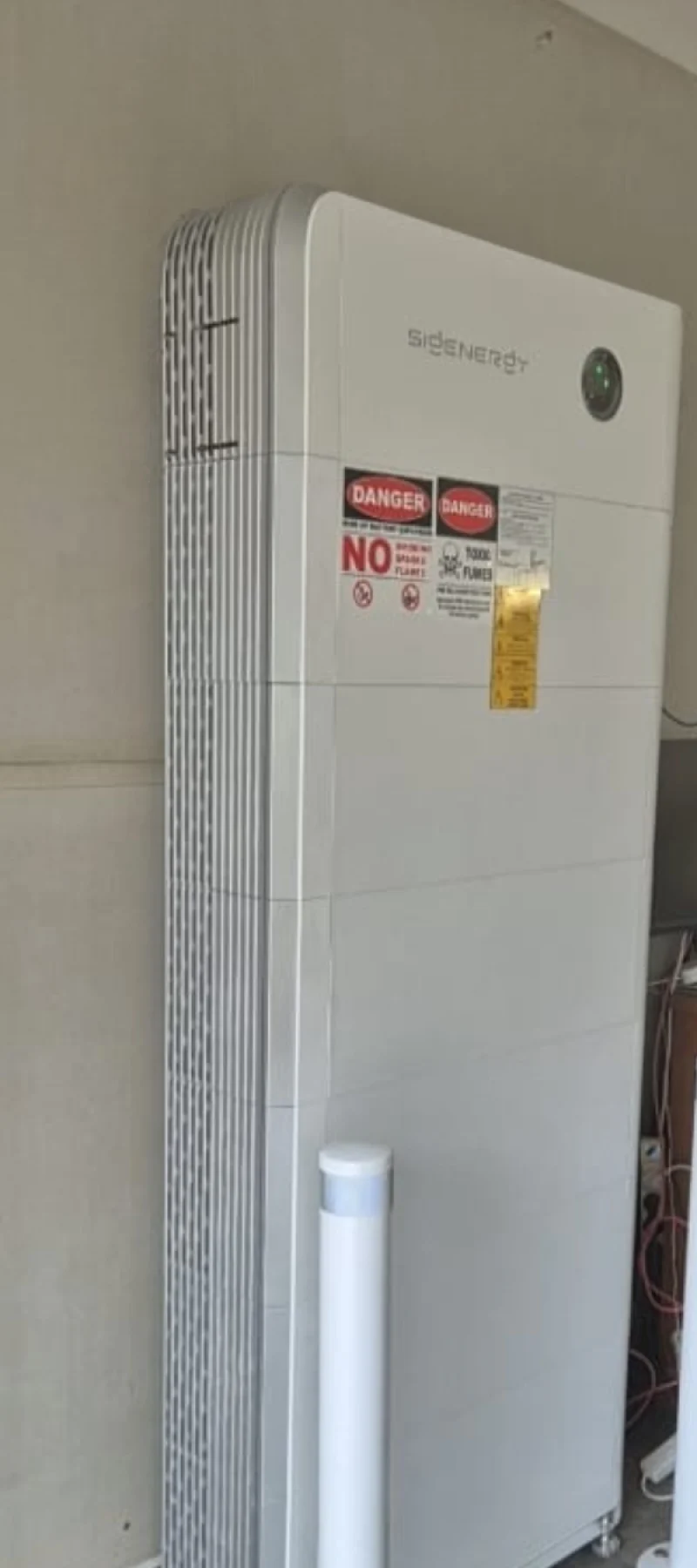
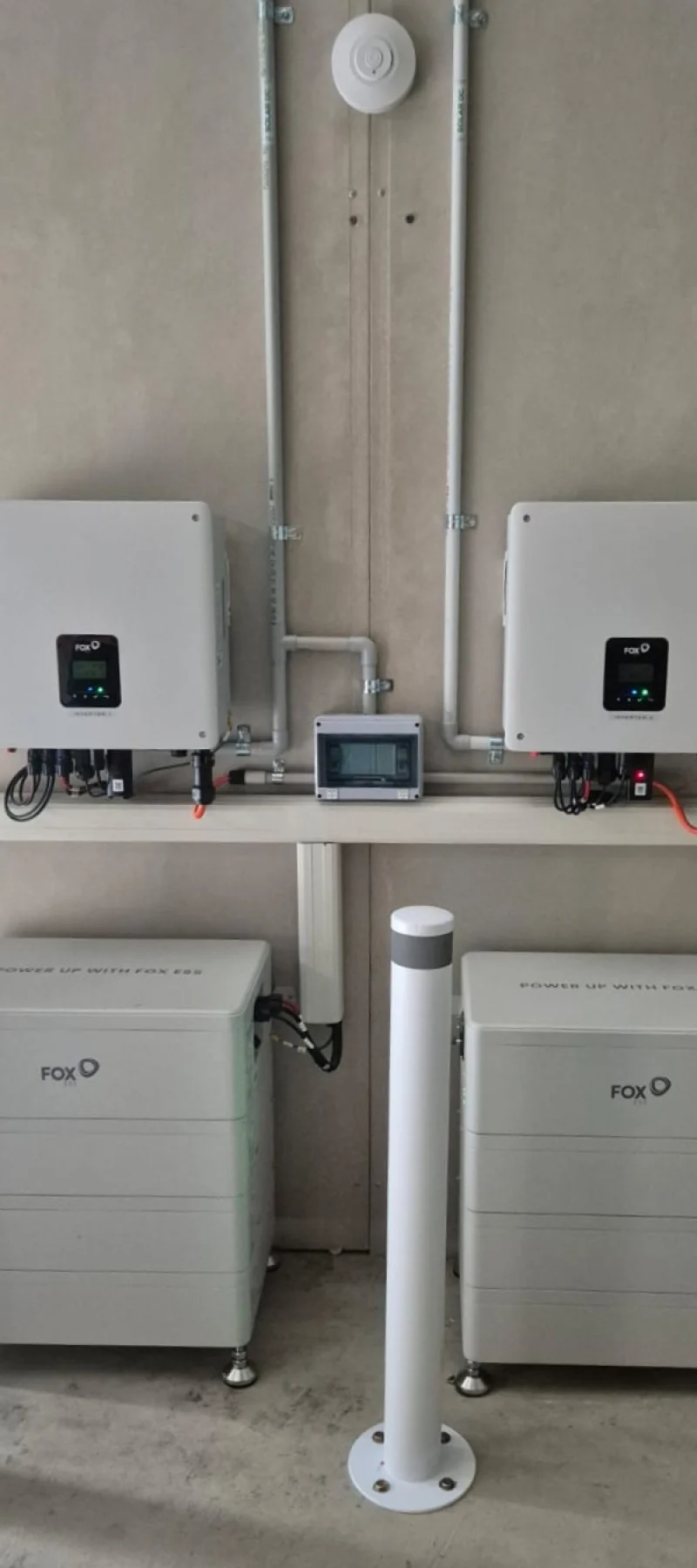
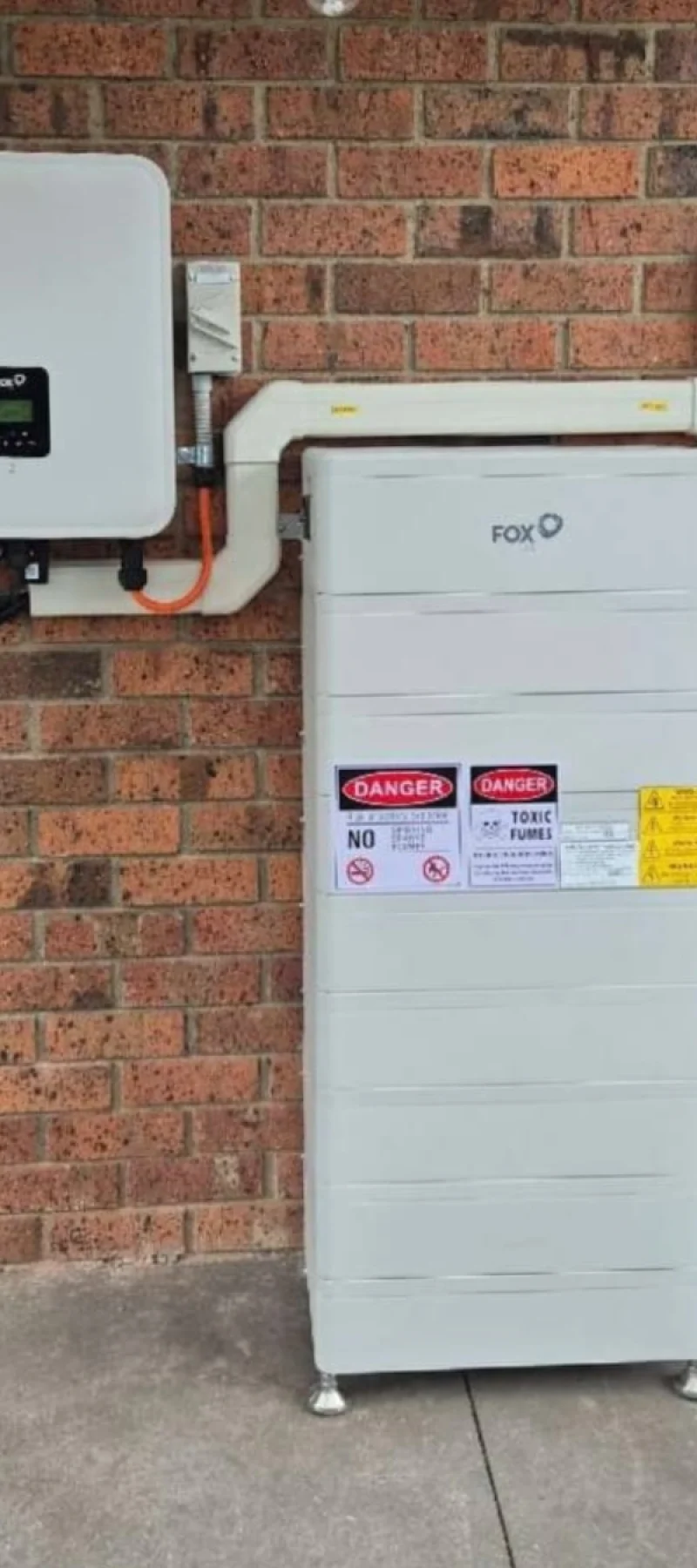
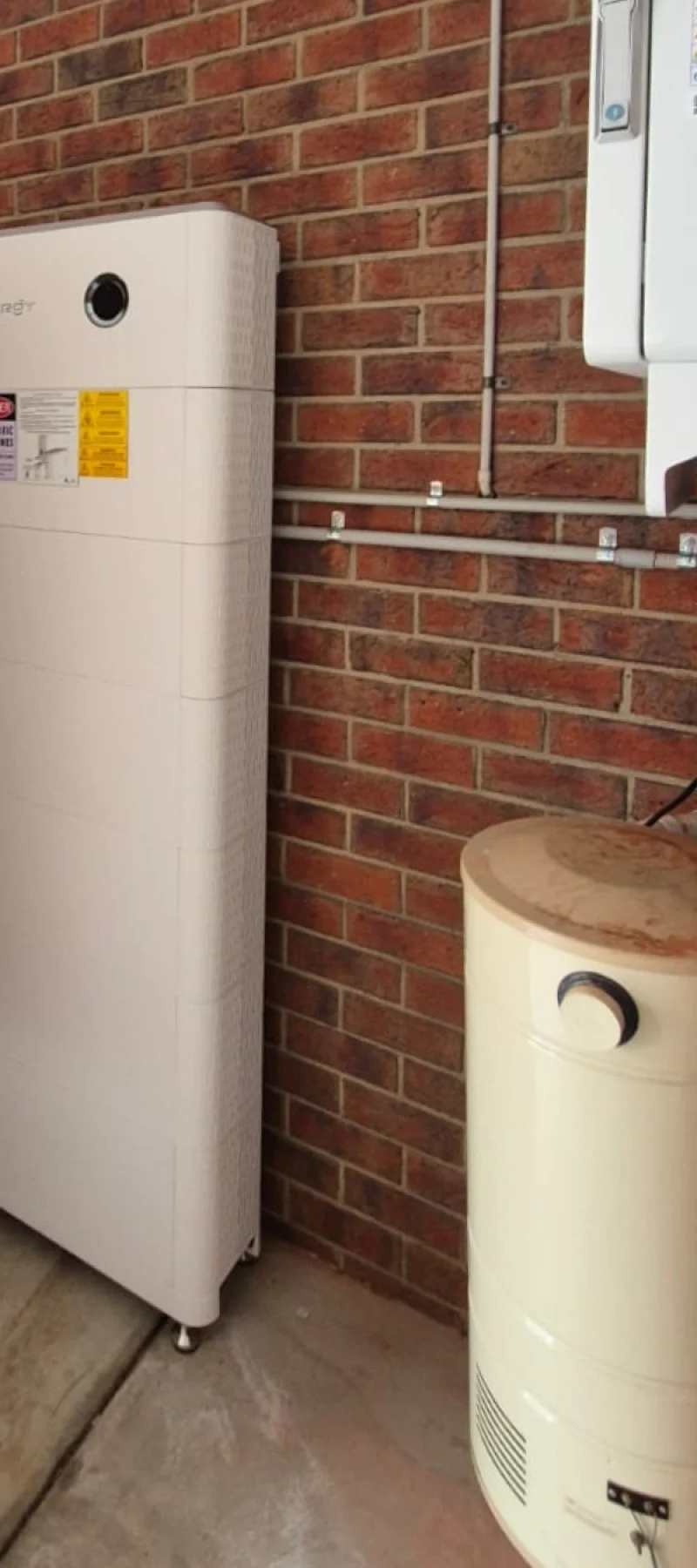
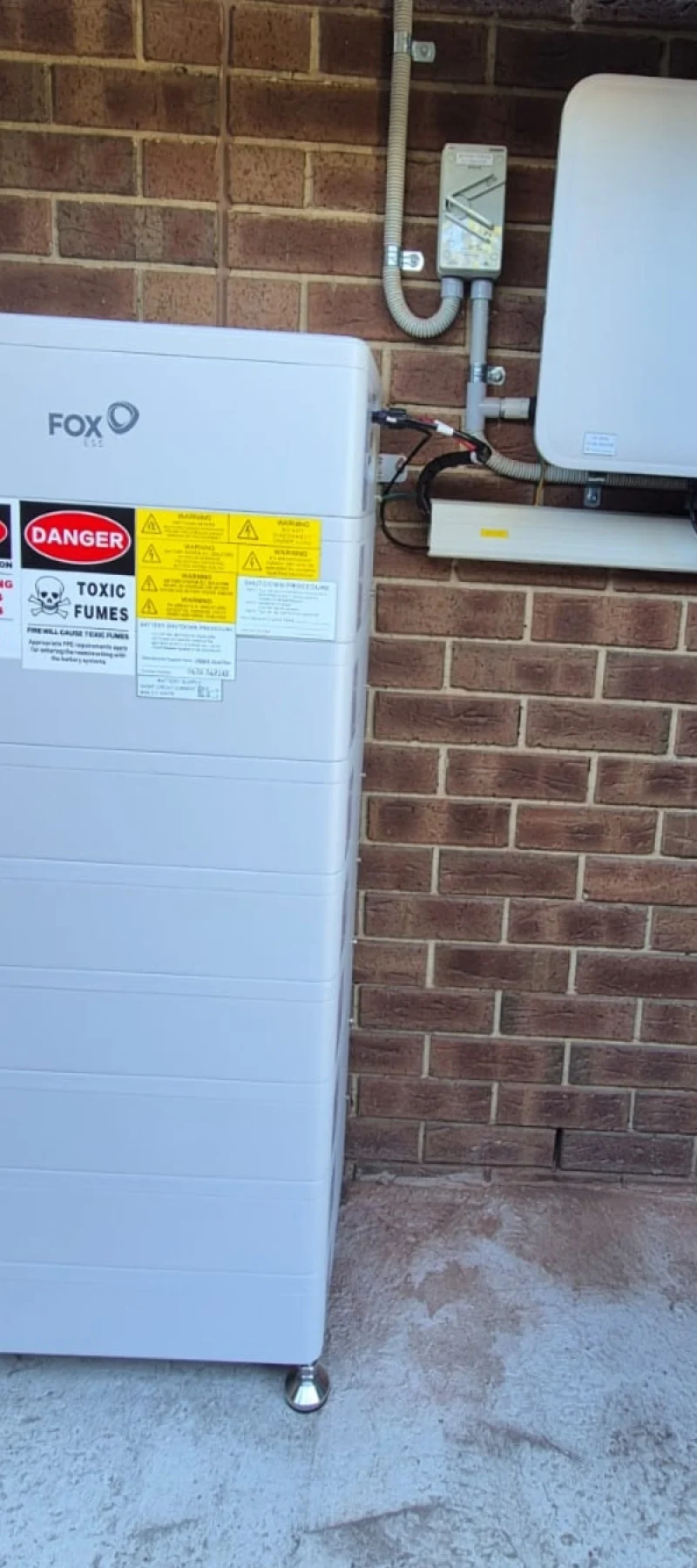
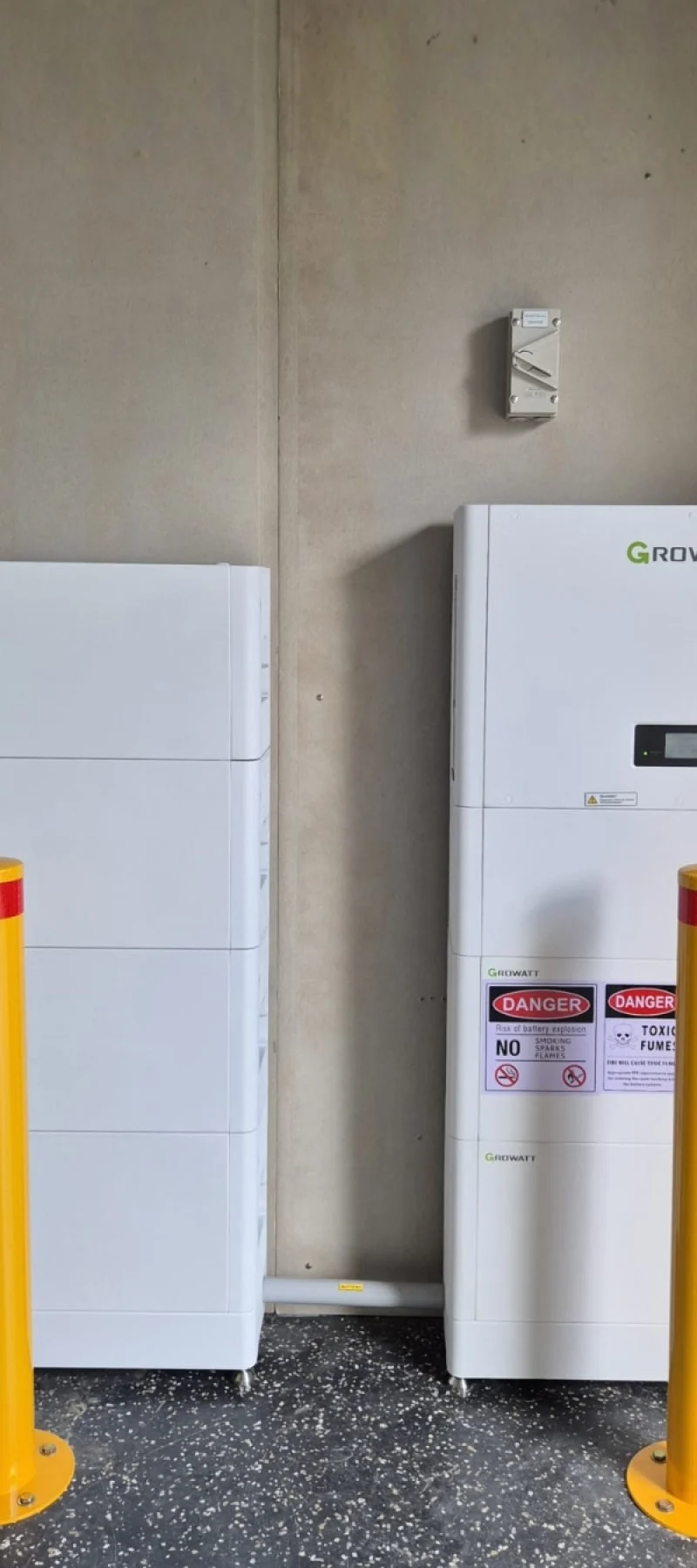
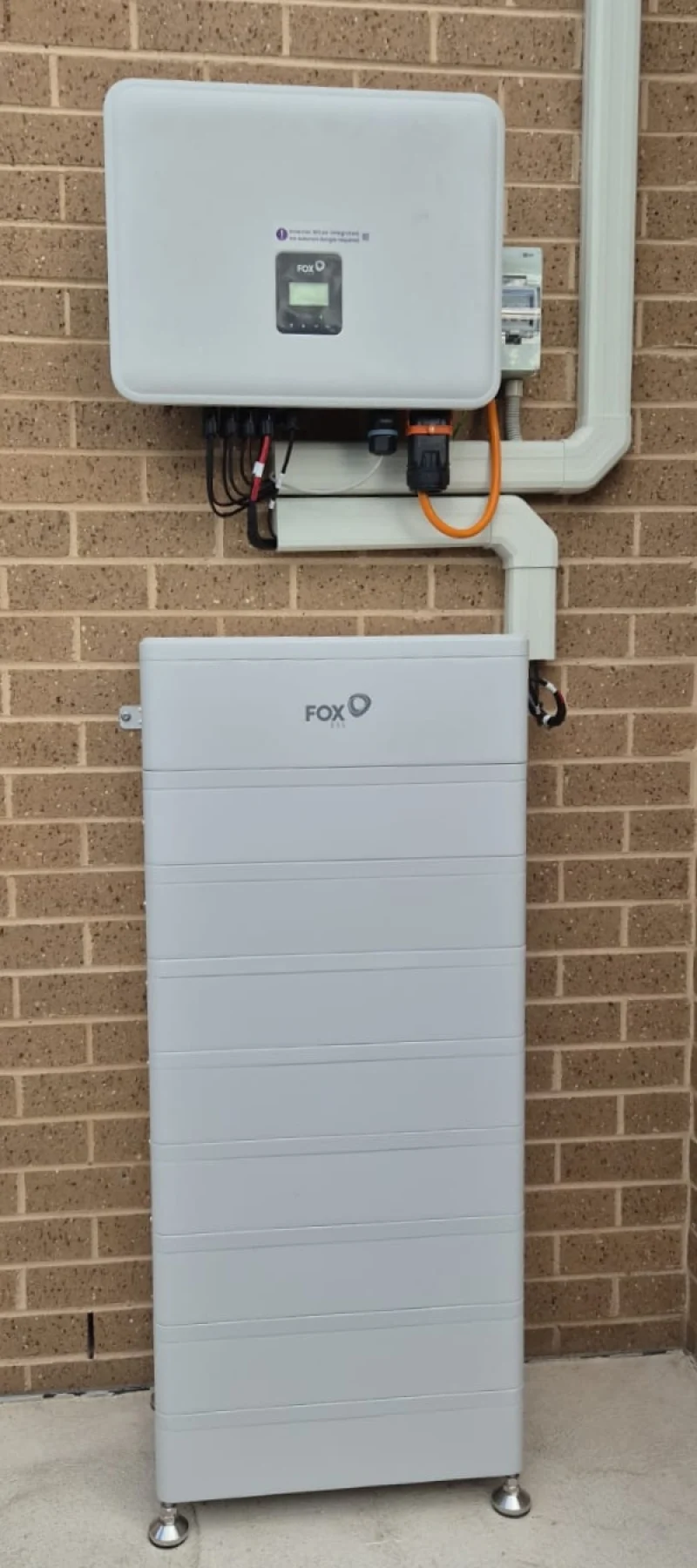
See how Zero Energy systems are being installed across Victorian homes, with real project photography and verified customer feedback.


FAQ
The Victorian Midday Power Saver is scheduled to be available from 1 October 2026, with a free window from 11am to 2pm every day for eligible households. Smart-meter and retailer conditions apply.
Yes. Some retailer market offers currently advertise free daytime usage windows. These are separate from the Victorian Government offer and have their own eligibility, rates, exclusions, fair-use rules and other terms.
Potentially. It depends on the electricity plan, the battery and inverter, system configuration and applicable rules. It should be checked before relying on grid charging in any savings calculation.
A battery can be technically possible in different configurations, but current federal solar-battery STC eligibility requires the eligible battery system to be installed with new or existing solar PV. Your specific eligibility should be verified.
Often yes, but the design depends on your existing inverter, solar capacity, switchboard, phase, battery architecture and site. Compatibility should be checked before quoting.
Not automatically. Backup capability depends on the battery/inverter system, backup hardware, circuit design, power output and what loads are configured to remain on during an outage.
It is an indicative rules-based starting point. A final recommendation needs your actual electricity usage, existing system information, compatibility checks, site conditions, incentive eligibility and the approved Zero Energy product/price matrix.
No. The rates outside the free window, supply charges, how much usage you can actually shift, fair-use rules and the rest of the plan all matter. Compare the complete plan rather than the free period alone.
Start with an indicative range. Then, if you want an exact quote, let Zero Energy verify the numbers against your real bill and existing system.
© Copyright Zero Energy